



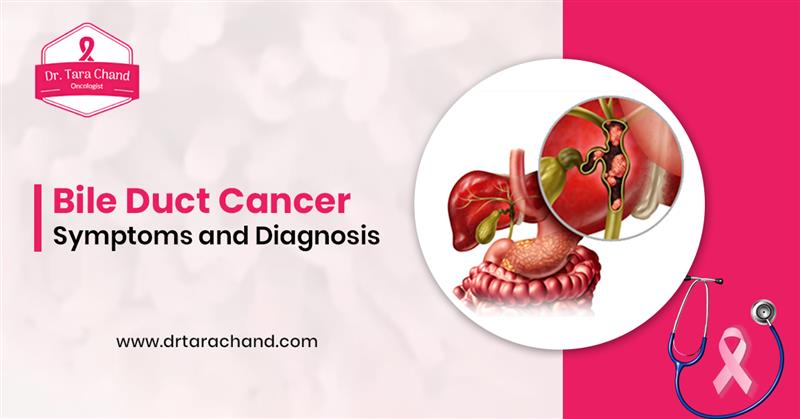
Bile Duct Cancer: Symptoms and Diagnosis
Overview
If your mind goes to cancers of the digestive system, it’s probably stomach or liver cancer that you think of first. But there is another condition that, far too often, doesn’t show symptoms unless in the latter stages— Bile Duct Cancer. This disease tends to form in the small tubes that transport bile, a digestive fluid, from the liver and gallbladder into the small intestine. While relatively rare, it is aggressive because signs and symptoms present later when they are already in advanced stages of development, so early awareness and consulting a physician can make all the difference.
What is Cholangiocarcinoma?
Bile duct cancer is also called cholangiocarcinoma or cancer of the bile duct. It is present in three anatomic locations of the bile duct system:
- Intrahepatic: Within the liver.
- Perihilar: Where ducts leave the liver.
- Distal: Further along the small intestine.
The portion of cancer where it begins affects both the symptoms and how treatment is approached. That is why a correct diagnosis to be made is crucial.
Recognizing Bile Duct Cancer Symptoms
The symptoms of this condition may be very mild in the beginning; however, with the passage of time, Bile Duct Cancer Symptoms tend to become more evident. Some of the more popular ones include:
- Severe jaundice (yellow eyes and skin).
- Itchy skin that can be constant and severe.
- Dark urine or light-coloured stools.
- Pain in the right upper quadrant of the abdomen.
- Rapid weight loss, fatigue, and poor appetite.
These symptoms may be similar to other liver or gall bladder conditions. Nonetheless, it is important to speak with a doctor when they come together.
Risk Factors to Know
Bile duct cancer can develop in any person, but there are some risk factors:
- Persistent inflammation of the bile ducts or liver disease.
- Gallstones or other biliary diseases.
- Exposure to some liver toxins or infections.
- Age — It is more common in people aged 50 and older.
Understanding Bile Duct Cancer helps you take proper preventive measures and also helps you to recognize red flags early.
Why is Diagnosis of Bile Duct Cancer important?
A Bile Duct Cancer Diagnosis brings awareness to the condition to doctors and assists in tailoring a treatment plan. The tumor can still be greatest removed by surgery, the sooner it is caught. When it is detected late, the cancer has often spread, so treatment becomes more of a matter of management than cure.
How Bile Duct Cancer is Diagnosed?
Accurate diagnosis is critical for proper Bile Duct Cancer Treatment. The diagnosis proceeds systematically, typically including:
Medical history and physical examination: Doctors look for jaundice, tenderness, or swelling in the abdomen.
Blood tests: Liver function and tumor markers may show there are problems with the flow of bile or cancer is present.
Imaging tests:
- Ultrasound detects blockages or masses.
- Tumor size, location, and spread are all revealed by a CT scan or an MRI.
- MRCP provides detailed pictures of the bile ducts.
- Endoscopic methods: A tiny tube may be inserted to look into the ducts and get samples of tissue.
- Biopsy: Examining tissue for cancer using a microscope
Treatment options:Treatment will depend on which type of tumor it is, its location, and spread. Common treatments include:
Surgery: If the tumor, blocked bile ducts, and part of the liver are affected by surgery.
Chemotherapy: Drugs that kill cancer cells, or slow their growth, and are usually given before or after surgery to increase its efficacy.
Radiation Treatment: Intense beams focus on the skin cancer with one goal, to make it smaller and lessen the chance of spreading to the surrounding tissue.
Targeted Therapy: Medicines help target specific pathways of cancer cells and prevent them from growing and spreading.
Stents: Stents are put into the bile ducts to reduce jaundice, so that bile can flow properly, and normal liver function returns.
Generally, treatment is personalised and several therapies are used to have the best effect. When surgery is not an option, this therapy targets symptom control and helps in the reduction of the disease.
When to Consult a Specialist- Dr. Tara Chand Gupta
If you experience persistent yellowing, unexplained weight loss, or discomfort in the upper abdomen, consult a doctor promptly. Once you visit a Cancer Doctor in Jaipur that is with Dr. Tara Chand Gupta will help you with the best investigations and treatment plan for your condition.
Dr.Tara Chand Gupta, a senior oncologist in Jaipur, specializes in gastrointestinal cancers, including bile duct cancer. He offers comprehensive diagnostic and treatment direction, including surgical, medical, and psychosocial care.