Dr. Tara Chand Gupta
MD, DM Medical Oncology
Senior Cancer Specialist, Specialised in Chemotherapy, Targeted Therapy and Immunotherapy




Dr. Tara Chand Gupta
MD, DM Medical Oncology | Bhagwan Mahaveer Hospital & Research Center
Senior Cancer Specialist, Specialised in Chemotherapy, Targeted Therapy and Immunotherapy
If you have persistent abdominal bloating, pelvic pain, a sense of fullness soon after eating, frequent urination, or unexplained fatigue, these symptoms should not be dismissed and which further might require medical evaluation. Dr. Tara Chand Gupta is one of the most experienced Ovarian cancer doctor in India provides careful diagnosis and personalized care. Schedule an appointment today.
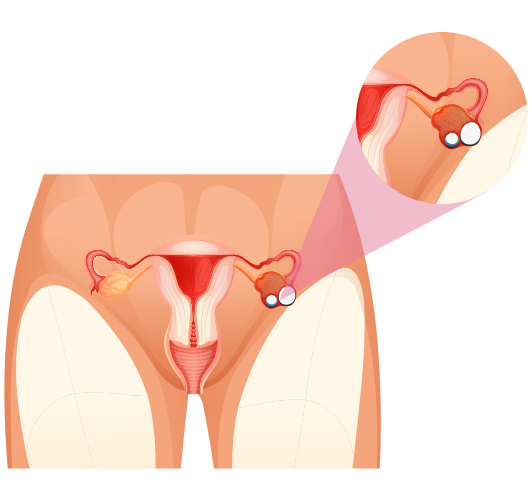
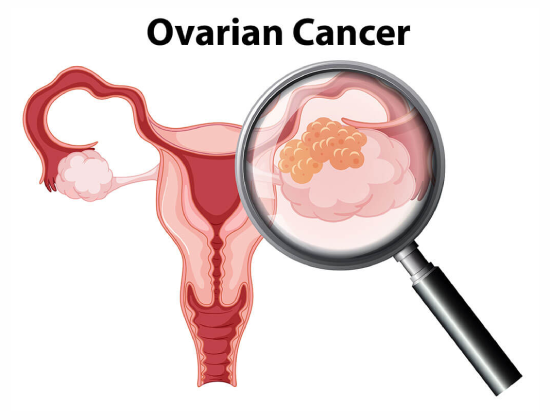
Ovarian cancer occurs when unusual cells form in the ovaries and grow uncontrollably. The ovaries are located deep in the abdomen, so the disease may not become symptomatic in its early stages. That is why a comprehensive medical evaluation is required so that the doctors can understand the condition and provide the best care. Dr. Tara Chand Gupta provides structured Ovarian Cancer Treatment in Jaipur, where each patient’s reports and overall health are carefully reviewed before deciding the treatment approach.
The workup for ovarian cancer typically includes a clinical examination and imaging studies as well as laboratory investigations.
Some signs of ovarian cancer can be mild at first and might be confused with common digestive or hormonal problems. If certain changes last for a few weeks or happen more than once, though, it's important to see a doctor. Early consultation helps doctors figure out what's wrong and suggest more tests if needed. Dr. Tara Chand Gupta offers thorough evaluations and patient-centered ovarian cancer treatment in Rajasthan, making sure that patients get the right care and diagnosis as soon as possible. You should consult a doctor if:


The stomach continues to swell or bloat for several days.

Pain or pressure in the pelvis does not get better over time.

A frequent urge to urinate without a clear urinary infection.

Loss of appetite or feeling full quickly even after eating small amounts of food.
The management of ovarian cancer generally calls for a detailed medical inspection and course of action for individual patients. Because the disease can manifest differently in different people, treatment decisions are made after considering diagnostic tests, cancer stage, and the patient’s overall health. With an emphasis on a patient-centered approach, Dr. Tara Chand Gupta, a cancer specialist in Jaipur, guides patients about their condition, understands the implications of treatment, and is never left to deal alone with their concerns.


Dr. Tara Chand Gupta is a medical oncologist in India who has been treating cancer patients for more than 15+ years. He got his MBBS from SMS Medical College in Jaipur and his MD in General Medicine from SN Medical College in Agra. After that, he trained in Medical Oncology. He has treated people with breast, lung, kidney, gallbladder, bone, oral cancers, prostate, and many other cancers over the years using chemotherapy, targeted therapy, and immunotherapy. His focus is on selecting treatments that are effective while minimizing side effects, ensuring that patients across Rajasthan receive balanced, carefully monitored cancer care.
 More About Doctor

Advanced Therapies

Patients Treated

Years of Experience
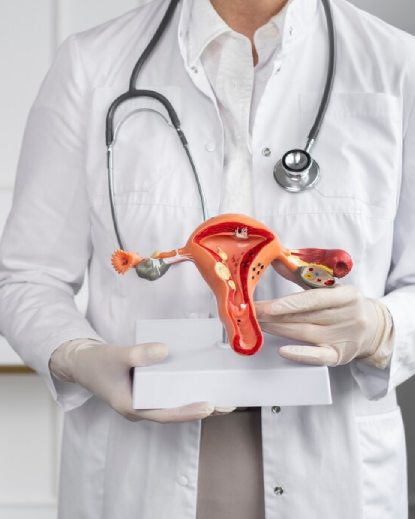
Dr. Tara Chand Gupta, a trusted ovarian cancer specialist in Jaipur, provides clear guidance, listens carefully, and creates personalized treatment plans after understanding each patient’s condition.
MD, DM Medical Oncology
Senior Cancer Specialist, Specialised in Chemotherapy, Targeted Therapy and Immunotherapy
Advanced cancer treatment with compassionate care, modern technology and personalised oncology solutions for every patient.
Book Consultation
Ovarian cancer starts in the ovaries, which are small organs in the female reproductive system. The ovaries make eggs and hormones that help control the menstrual cycle. Cells in the ovaries usually grow and divide in a controlled way. In ovarian cancer, some of these cells start to grow and divide in ways that aren’t normal, which leads to the formation of a tumor. If these cancer cells are not found early, they can damage nearby tissues and spread to other parts of the body. Ovarian cancer can also form in the fallopian tubes, which are very close to the ovaries. Early detection and proper medical evaluation play an important role in managing this condition effectively.
There are different types of ovarian cancer based on the type of cells where the cancer starts. Identifying the type of tumor helps doctors understand how the disease may grow and decide the most appropriate treatment approach. The types are:
It’s important to correctly identify the type of ovarian cancer to plan treatment. Patients can see an experienced Ovarian Cancer Treatment Doctor in Jaipur for a proper evaluation and care.
Ovarian cancer often grows without causing any noticeable symptoms in the early stages. This is why a lot of women only find out they have the disease when it has gotten worse. Seeing a cancer specialist in Jaipur can help you find out if you need more medical care by finding persistent symptoms early. Some common signs and symptoms of ovarian cancer are:
If these symptoms don’t go away or keep coming back, you should see a doctor and think about getting ovarian tumor treatment in Jaipur as soon as possible to get the right diagnosis and care.
The exact causes of ovarian cancer are not always known. The disease often starts when cells in the ovaries mutate or change their DNA, growing and dividing uncontrollably. These changes may take place within a person’s lifetime or be inherited from family genes. Many medical and lifestyle factors increase the risk of ovarian cancer. Some of the common causes are:
Awareness of these risk factors helps women stay vigilant about their health and seek timely medical consultation for appropriate Ovarian Cancer Treatment in Jaipur.
To find out how far ovarian cancer has spread in the body, then its importnat to understand the stages. Understanding the stages helps doctors figure out how bad the condition is and what the best treatment plan is. The stages of ovarian cancer are:
Doctors can better plan treatment when they know what stage the disease is in. Depending on their condition, patients may be directed to the right care options, such as Advanced Ovarian Cancer Treatment in Jaipur.
A thorough medical exam is usually needed to diagnose ovarian cancer because the disease may not show clear signs in the early stages. At the Ovarian Cancer Treatment Hospital in Jaipur, doctors use several tests and examinations to understand the condition, confirm the presence of cancer, and decide the next steps for treatment. Tests and procedures used to diagnose ovarian cancer include:
After confirming the diagnosis, doctors look at the test results to figure out what stage the disease is in and what the best treatment is.
Ovarian cancer treatment is planned based on various factors, including the stage of disease, type of tumor, and overall health of the patient. Doctors often use a combination of treatments to remove the cancer, control its spread, and support the patient’s recovery.
Common treatment options for ovarian cancer include:
Based upon the stage and present condition of the patient, the doctor may recommend an individual treatment plan tailored on a case-by-case basis. If the cancer becomes more complicated, then the doctor may suggest Advanced Ovarian Cancer Treatment in Jaipur.
Dr. Tara Chand Gupta is a highly trained Ovarian Cancer Treatment Doctor in Jaipur who offers complete care to patients. He offers effective ovarian cancer treatment that is tailored to the patient’s condition and stage of the disease, using advanced medical therapies and careful treatment planning.
After carefully looking at the patient’s condition and the stage of the disease, treatment decisions are made. Patients who need specialized care can talk to Dr. Tara Chand Gupta, provide Cancer Treatment in Jaipur, to get the right care and treatment for ovarian cancer.
Dr. Tara Chand Gupta is often in the news and on TV talking about cancer to raise awareness. He talks about early warning signs, why it's important to get tested on time, and new treatment options through his Video Gallery so that people can make smart health choices.
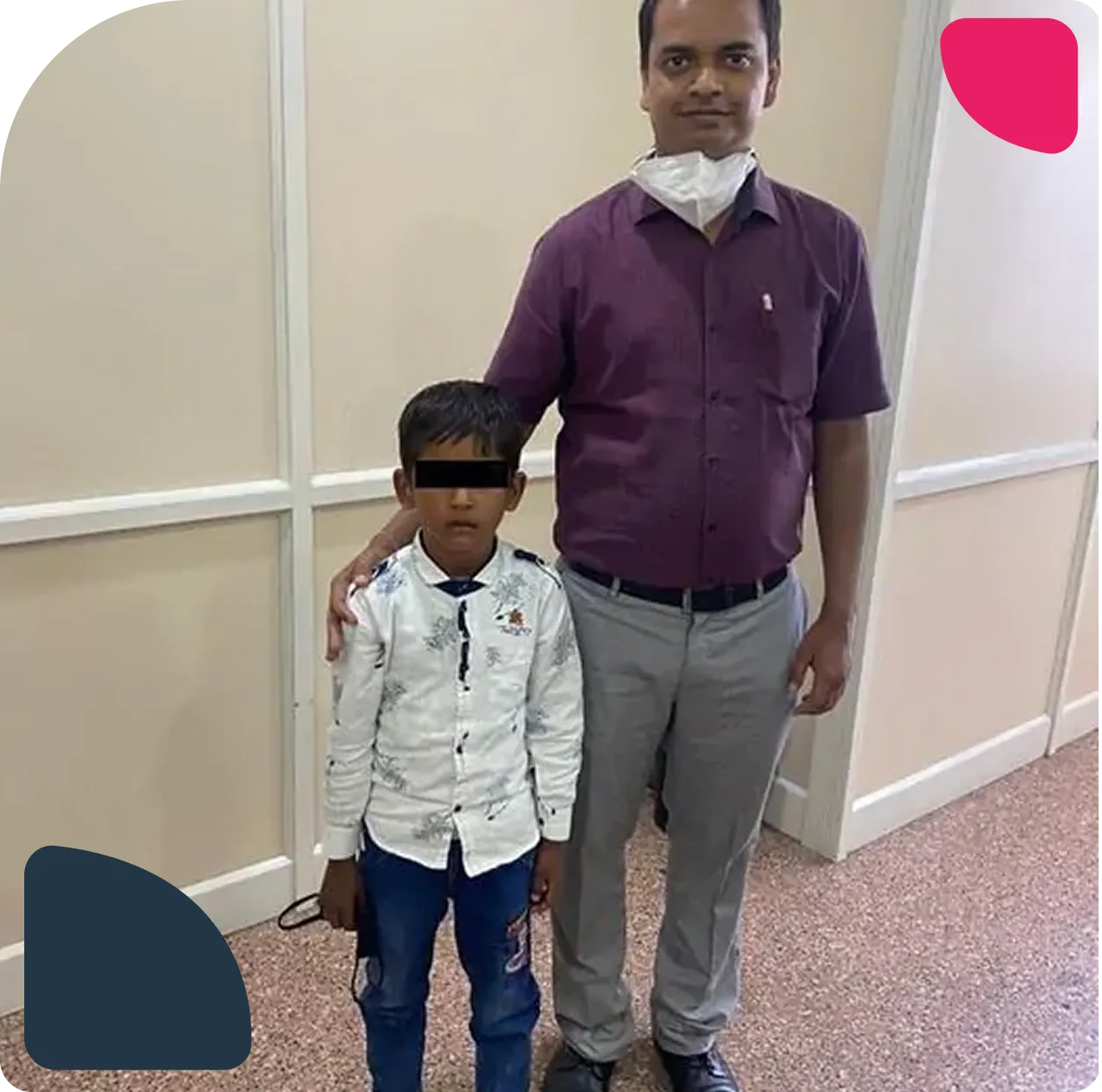
This is among the happiest moments of an oncologist in Jaipur when you are celebrating
the birthday of your patient ( because at the time of diagnosis patient and his family members
come without any hope and in mental distress)
Cancer is the deadliest but we are committed to giving out 100% to get the best results that are
up to the international mark. Because of the patient’s faith, blessings of God, parents, and
teachers, and support of our staff we are achieving our goals.
| Age | Disease | Treatment | Stage | Result |
|---|---|---|---|---|
| 6 Years | Hodgkin Lymphoma | 6 Months | III | Complete Remission |
Jawahar Lal Nehru Marg, Bajaj Nagar, Jaipur, Rajasthan 302017
Time: 9 AM To 5 PM, 5:30 PM To 7:30 PM
Open in Google MapsDr.Tara Chand Gupta sir has vast experience over the years. His treatment is effective and my patient has benefitted from the treatment. He takes great personal care and continuous follow up of the patients. He also sits in Apex Hospital in the morning and in the evening he visits this clinic. My patient had breast and she was cured and there were minimum side effects and she could tolerate the chemotherapy because of his approach in Chemotherapy.I have met many patients there he also has good experience in immunotherapy and targeted therapy.
Dr. Tarachand ji Gupta Sir is a man of wonderful personality. Meeting him has given new hope to life. My heartfelt thanks to you Sir!
Dr. Tara Chand Gupta is highly experienced and knowledgeable in his field. He has been a great support during my treatment. He always motivates his patients and provides the right guidance and direction towards the difficult journey of cancer treatment..
Excellent treatment! Doctor Gupta is quite considerate and empathetic. He remains in touch with his patients and resolves their concerns and issues in no time.Got a sense of satisfaction and feeling of being in safe hands. Avoids unnecessary excessive medication and prescribes only relevant and essential medicines. Quite experienced and updated oncologist from TMH in Jaipur.
I met Dr. Tara chand gupta for treatment of my uncle who is having stage 4 thorat cancer. He listened our problem with full of empathy and explained us about all things including disease, results and treatment. He has knowledge in depth about the cancer. He treated my uncle with immunotherapy fortunately my uncle responded well to the immunotherapy and now he is fine. Thanks Dr. Tara chand gupta for taking care of him. I wish you get more and more success in your career.
Dr. Tara Chand Gupta is frequently highlighted in major
The stage of the disease at diagnosis and the patient’s overall health are two of the most important factors that affect the survival rate of ovarian cancer. Treatment is usually more effective when cancer is found early. Women in Jaipur who want a proper diagnosis and the best ovarian cancer treatment in Jaipur often talk to experienced doctors to learn more about their condition and the treatment options that are available to them.
There are four stages of ovarian cancer, from Stage I to Stage IV, depending on how far the cancer has spread. Stage I is the first stage of cancer. It means that the cancer has not spread beyond one or both ovaries. At this point, doctors usually focus on getting rid of the tumor and stopping it from spreading.
You can’t be sure that you have ovarian cancer at home. But you shouldn’t ignore symptoms that last a long time, like bloating in the stomach, pain in the pelvis, feeling full quickly while eating, or needing to urinate a lot. If these symptoms don’t go away, you should see an Ovarian Cancer doctor in Jaipur for a proper medical exam and diagnosis.
Yes, ovarian cancer curable outcomes are possible, especially when the disease is detected at an early stage and treated promptly. Treatment may include surgery, chemotherapy, or targeted therapies depending on the patient’s condition. Early diagnosis and regular medical follow-up can significantly improve treatment success and long-term health outcomes.
This may include blood tests like the CA-125 tumor marker test, which detects a protein that can be elevated in some women’s blood if they have ovarian cancer. But this test alone cannot detect the disease. In fact, doctors also use it alongside scans and other investigations when planning Ovarian Cancer Treatment in Jaipur.
Ovarian cancer is more commonly diagnosed in women over the age of 50, particularly after menopause. But it can also happen at a younger age in some cases, especially if there is a family history of breast or ovarian cancer.
Ovarian cancer usually spreads first to the area around the stomach. In later stages, it may spread to distant organs after affecting nearby tissues, the lining of the abdomen, or lymph nodes. In these cases, doctors may suggest the right ovarian tumor treatment in Jaipur to help with the disease and slow its progress.
Doctors usually use a pelvic exam, imaging tests like ultrasound or CT scans, blood tests for tumor markers, and sometimes a biopsy or surgery to confirm the diagnosis of ovarian cancer. These tests help doctors figure out what stage the disease is in and what the best way to treat it is.