




Dr. Tara Chand Gupta
M.D., D.M. Medical Oncology | Bhagwan Mahaveer Hospital & Research Center Expert in Chemotherapy, Targeted Therapy, and Immunotherapy
Gallbladder cancer treatment in Jaipur
If you notice persistent abdominal pain, jaundice, or unexplained weight loss, seek timely medical care. Dr. Tara Chand Gupta offers the Best Gallbladder Cancer Treatment in Jaipur, providing accurate diagnosis, advanced therapies, and personalized care to support better treatment outcomes.


Overview
Comprehensive Overview of Gallbladder Cancer Treatment
Gallbladder cancer is a serious but uncommon disease that starts in the gallbladder, a small organ under the liver that stores bile to help break down fats. The condition often develops without any obvious signs, and the first signs may not be very strong or may be mistaken for common digestive issues. Because of this, the disease is often found later on. It is important to get medical help as soon as possible to improve treatment outcomes. To effectively manage gallbladder cancer, Specialists providing Gallbladder Cancer Treatment in Jaipur focus on accurate diagnosis and appropriate treatment planning to manage the disease effectively.
- It starts in the gallbladder’s inner lining and can spread to nearby tissues.
- Symptoms may not be noticeable in the early stages.
- The risk goes up with age, gallstones, and long-term inflammation.
- Early diagnosis can make treatment options and outcomes better.
When to Consult
When should you consult a gallbladder cancer treatment doctor in Jaipur?
In the early stages, gallbladder cancer may not have clear symptoms, which is why many people miss the warning signs. But you should never ignore ongoing digestive problems or strange changes in your health. If some symptoms last for a long time or tests show problems with the gallbladder, it's important to see a Cancer Specialist in Jaipur. A doctor with experience can carefully look at the problem and suggest the best treatment at the right time.


Persistent pain in the upper right side of the abdomen that does not improve.

Yellowing of the skin and eyes (jaundice) without another clear cause.

Unexplained weight loss or loss of appetite, with no apparent reason, over a short period of time.

Unusual results on ultrasound or scans, like a mass or thickening of the gallbladder.
Philosophy
Guiding Principles Behind Cancer Treatment
Taking care of someone with gallbladder cancer is not just about treating the disease; it’s also about helping them through one of the hardest times in their life. Dr. Tara Chand Gupta is a dedicated gallbladder cancer treatment doctor in Jaipur who thinks that treatment should be accurate, caring, and specific to each patient’s needs. He focuses on making sure that people with gallbladder cancer get the best care possible while also making sure that they can still enjoy their lives.
- Individualized treatment planning for every lung cancer case
- Adherence to ethical and evidence-based therapies
- Paying attention to both medical results and patient comfort
- Continuous monitoring and long-term follow-up care


Experience
About doctor
Meet Dr. Tarachand Gupta
M.D., D.M. – Medical Oncology
Specialist in Chemotherapy, Targeted Therapy, and Immunotherapy in Jaipur
Dr. Tara Chand Gupta is a medical oncologist in Jaipur who has been treating cancer patients for more than 12 years. He got his MBBS from SMS Medical College in Jaipur and his MD in General Medicine from SN Medical College in Agra. After that, he trained in Medical Oncology. He has treated people with breast, lung, kidney, gallbladder, bone, oral cancers, and many other cancers over the years using chemotherapy, targeted therapy, and immunotherapy. His focus is on selecting treatments that are effective while aiming for minimal side effects, ensuring patients across Rajasthan receive balanced and carefully monitored cancer care.
 More About Doctor

Advanced Therapies

Advanced Therapies

Advanced Therapies
Why choose
Why do patients trust Dr. Tara Chand Gupta for gallbladder cancer treatment in Jaipur?
Patients choose Dr. Tara Chand Gupta for cancer treatment in Jaipur due to his clear diagnosis, personalized care, and supportive approach, helping patients and families through every step of treatment.
- Careful assessment of symptoms and diagnostic reports before starting treatment.
- Treatment decisions based on cancer stage and the patient’s overall health.
- Using new cancer treatments and updated treatment plans.
- Ongoing support and guidance for patients during the entire treatment process.
What is gallbladder cancer?
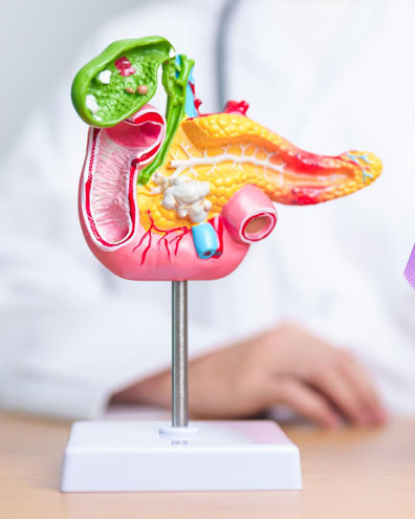
Gallbladder cancer is a rare but serious disease that starts in the gallbladder, which is a small, pear-shaped organ that sits below the liver on the right side of the abdomen. The gallbladder stores bile, a digestive fluid that helps the body break down fats. The gallbladder stores bile. Cancer starts when cells that shouldn’t be there start to grow in the inner lining of this organ and slowly spread out. It’s hard to find gallbladder cancer because it doesn’t always cause obvious symptoms in the early stages. Because of this, a lot of cases are only found after the disease has gotten worse. But if gallbladder cancer is found early and treated with surgery, the chances of a successful treatment are much higher.
Types of gallbladder cancer
Gallbladder cancer does not appear in just one form. It can start in different cells of the gallbladder lining, and identifying the exact type helps doctors decide the most suitable treatment. Types of Gallbladder Cancer
- Adenocarcinoma (NOS): This is the most commonly diagnosed type. It begins in the gland-like cells that form the inner lining of the gallbladder.
- Papillary Adenocarcinoma: This form grows in small finger-like structures inside the gallbladder and usually spreads more slowly than other types.
- Mucinous Adenocarcinoma: A less common type that produces a thick mucus substance and may behave more aggressively.
- Squamous Cell Carcinoma: A rare type that develops from squamous cells present in the gallbladder lining.
- Adenosquamous Carcinoma: This type contains both glandular and squamous cancer cells and tends to grow faster than the common form
Hence, accurate identification of the type of gallbladder cancer helps doctors choose the most effective treatment at a trusted gallbladder cancer treatment hospital in Jaipur.
Symptoms of gallbladder cancer
Gallbladder cancer can be tricky to catch early on because it tends to not to cause noticeable signs initially. When symptoms do develop, they can be similar to common digestive issues like gallstones or bile duct blockage. As a result, many individuals might ignore the early-red flags. Common symptoms may include:
- Upper abdominal pain, particularly on the right.
- Bloating or a sense of fullness in the belly.
- Nausea and vomiting.
- Fever, which can result from infection or inflammation.
- Loss of appetite.
- Unexplained weight loss.
- A lump or mass in the abdomen that may sometimes be felt through the skin.
- Yellowing of the skin and the whites of the eyes (jaundice).
- Dark-colored urine.
- Pale or light-coloured stools.
- Ongoing itching of the skin.
When these symptoms present themselves, particularly in people with known gallstones or prior chronic gallbladder disease, they should never be ignored. Consulting a Gallbladder Cancer Treatment Hospital in Jaipur to get you diagnosed timely and appropriate care.
Causes of gallbladder cancer
When the genetic material in normal cells in the lining of the gallbladder changes and they start to grow out of control, gallbladder cancer happens. Most of the time, doctors can’t find a single direct cause of gallbladder cancer. However, research has shown that some medical conditions and lifestyle choices can make the disease more likely to happen. Some of the most common causes for gallbladder cancer are:
- Gallstones: Long-term gallstones are the most common risk factor and can cause the lining of the gallbladder to become irritated over and over again.
- Gallbladder polyps: Some kinds of polyps in the gallbladder may raise the risk of cancer.
- Chronic gallbladder inflammation (cholecystitis): Over time, long-term inflammation can hurt the lining of the gallbladder.
- Porcelain gallbladder: A condition in which calcium builds up in the wall of the gallbladder.
- Primary sclerosing cholangitis: Long-term swelling of the bile ducts that could make cancer more likely.
- Choledochal cysts: Unusual cysts in the bile duct that can raise the risk of cancers of the bile duct and gallbladder.
- Chronic Salmonella typhi infection: Long-term infection with the bacteria that cause typhoid may raise the risk.
- Obesity: Being overweight increases the risk of gallbladder disease and cancer.
- Smoking and chemical exposure: Being around certain chemicals used in industries like textiles and rubber making may raise the risk.
- Age and gender: Gallbladder cancer is more common in women and people over 65.
Knowing these things can help you find people who might need more medical attention. If you have had gallbladder problems for a long time or have other risk factors, seeing a specialist for Gallbladder Cancer Treatment in Jaipur can help make sure you get the right care and diagnosis quickly.
Staging of gallbladder cancer
Understanding the stages of gallbladder cancer helps doctors determine how far the disease has progressed and whether it has spread beyond the gallbladder. The stags are:
Stage 0 (Carcinoma in Situ): At this point, the only place where abnormal cells can be found is in the inner lining of the gallbladder. These cells are still in the early stages of cancer and haven’t spread to deeper layers yet.
- Stage 1: Cancer is in the gallbladder’s inner lining and may spread to the muscle layer of the organ. At this point, the disease is only in the gallbladder.
- Step 2: The cancer has spread to the connective tissue of the gallbladder wall, but it hasn’t spread to any nearby organs yet.
- Stage 3: At this point, the cancer may have spread beyond the gallbladder to nearby structures like the liver, tissues around it, or lymph nodes close by.
- Stage 4: This is the most advanced stage, when the cancer has spread to other organs, many lymph nodes, or large blood vessels in the body.
Finding out about the stages of gallbladder cancer early can help doctors make the right treatment choices. Getting expert help for gallbladder cancer treatment in Jaipur can help with getting the right diagnosis and treatment.
Diagnosis of gallbladder cancer
Diagnosing gallbladder cancer usually begins when a person visits a doctor because of symptoms such as abdominal pain, jaundice, or unexplained weight loss. At a Gallbladder Cancer Treatment Hospital in Jaipur, doctors first review the patient’s medical history and symptoms. After that, different tests may be suggested to confirm whether cancer is present and to understand how far it may have spread.
- Blood Tests: These tests help doctors assess the health of the liver and nearby organs.
- Liver function tests measure substances in the blood that can show if the liver or bile ducts are affected.
- Tumor marker tests such as CEA and CA 19-9 may also be checked, as higher levels can sometimes be linked with gallbladder or digestive cancers.
- Imaging Tests: It help doctors see the gallbladder and surrounding organs clearly.
- Ultrasound is usually the first test used to look for swelling, stones, or abnormal growth.
- CT scan provides detailed images of the abdomen and helps doctors see the size of the tumor and nearby organs.
- MRI scan creates detailed pictures of soft tissues and bile ducts.
- Endoscopic ultrasound allows doctors to examine the digestive tract more closely.
- ERCP is a procedure used to look at the bile ducts and check for narrowing or blockage.
Biopsy and Laparoscopy - Biopsy involves removing a small tissue sample to examine under a microscope. This test confirms whether cancer cells are present.
- Laparoscopy is a minor surgical procedure where a small camera is inserted through a small cut in the abdomen to check the gallbladder and nearby organs.
Timely testing helps doctors understand the condition and plan the right treatment. Patients may benefit from specialized care available through Advanced Gallbladder Cancer Treatment in Jaipur.
Gallbladder cancer treatment options
The stage of the disease, how far the tumor has spread, and the patient’s overall health all affect how gallbladder cancer is treated. Specialists providing Cancer Treatment in Jaipur focus on selecting treatment methods that can control the disease while maintaining the patient’s overall well-being. The treatment options are:
- Surgery: When cancer is found early, surgery is often the first thing that is done.
- Cholecystectomy: Taking out the gallbladder when the cancer is only in that organ.
- Extended surgery: Removal of the gallbladder along with nearby liver tissue or bile ducts if the tumor has spread locally.
- Chemotherapy: Chemotherapy uses medicine that fights cancer to kill cancer cells or stop them from growing. It can be given before or after surgery, or when surgery isn’t possible.
- Radiation Therapy: Radiation therapy uses high-energy beams that are carefully controlled to kill cancer cells. It might also help with symptoms like pain or jaundice.
- Targeted Therapy: Targeted therapy uses medicine that stops certain changes in cancer cells that help them grow.
- Immunotherapy: Immunotherapy helps the immune system find and kill cancer cells, especially when the cancer is very advanced.
Patients who require specialized care can explore modern options available through Advanced Gallbladder Cancer Treatment in Jaipur, where treatment is planned according to each patient’s condition.
Gallbladder Cancer Treatment in Jaipur by Dr. Tara Chand Gupta
Gallbladder cancer requires a timely diagnosis and a well-planned treatment approach. Management depends on the stage of the disease, the patient’s overall health, and careful clinical evaluation.
Treatment Options
- Chemotherapy: Anti-cancer medicines are commonly used to control the growth of cancer cells, reduce tumor progression, and help manage the disease in different stages.
- Targeted therapy: In certain cases, medicines designed to act on specific changes in cancer cells may be recommended to slow the growth of the tumor.
- Radiation therapy coordination: Radiation therapy may be advised as part of a comprehensive cancer care plan to help control the disease or relieve symptoms such as pain or jaundice.
With a focus on accurate diagnosis, evidence-based therapies, and continuous patient guidance, Dr. Tara Chand Gupta provides specialized Gallbladder Cancer Treatment in Jaipur to help patients receive appropriate and timely cancer care.
Contact Us
Reach Out for Expert Cancer Care


Patient Recovery
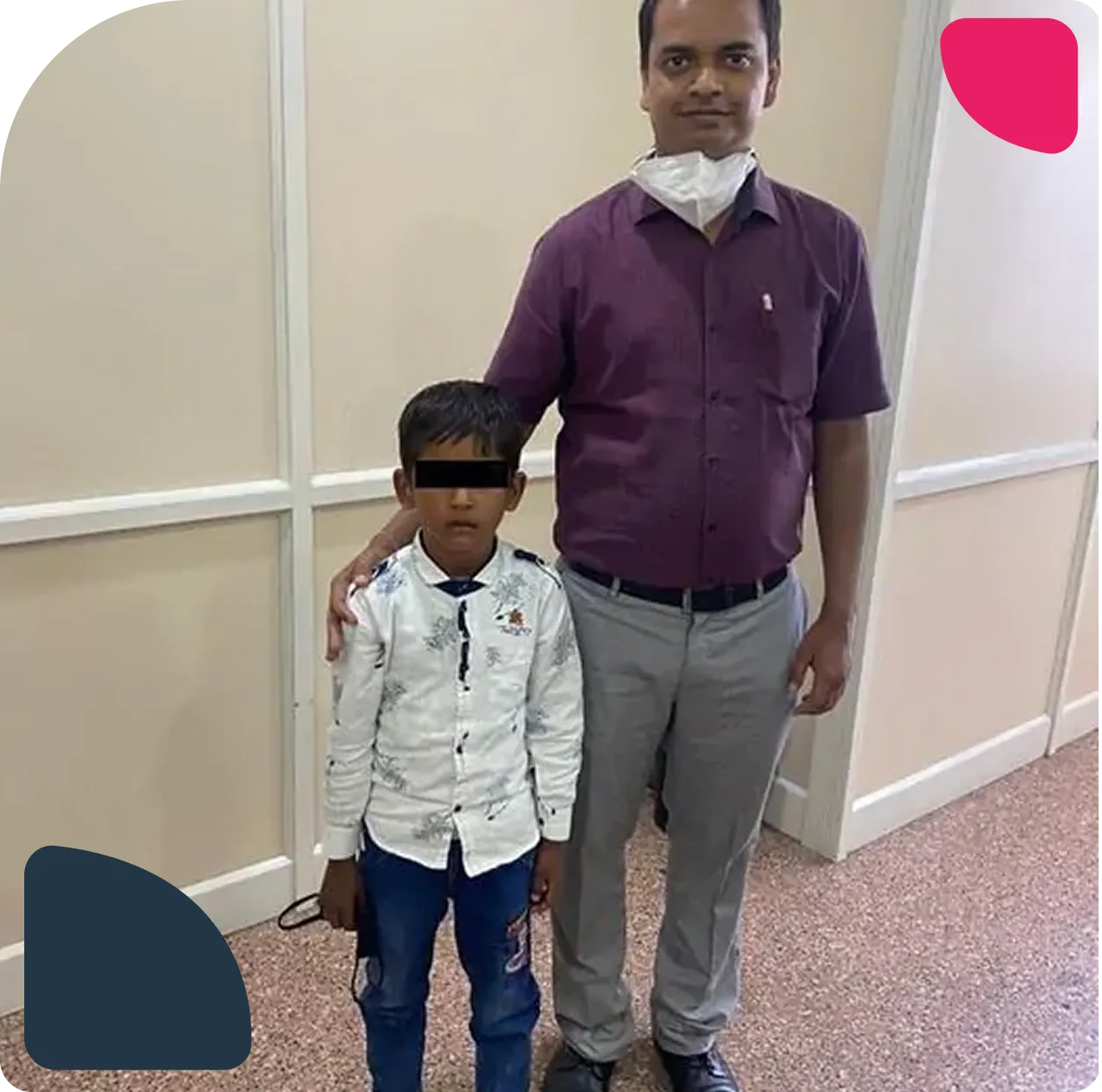
Successful Treatment by Dr. Tara Chand Gupta – Oncologist in Jaipur
This is among the happiest moments of an oncologist when you are celebrating
the birthday of your patient ( because at the time of diagnosis patient and his family members
come without any hope and in mental distress)
Cancer is the deadliest but we are committed to giving out 100% to get the best results that are
up to the international mark. Because of the patient’s faith, blessings of God, parents, and
teachers, and support of our staff we are achieving our goals.
- Age: 6 years
- Disease: Hodgkin Lymphoma
- Treated: for 6 months
- Stage: III
- Result: Complete Remission
Testimonial
What Our Patients Say on Google
Ayush Bhardwaj
Dr.Tara Chand Gupta is one of the finest oncologist of Jaipur. He currently runs this clinic to give high quality service
Deepak Sharma
Dr. Tara is the best oncologist in Jaipur. He treats my friend and help him in defeating this deadly disease….
Divya goyal
Dr. Tara Chand Gupta is one of the finest oncologist doctor in Jaipur and you treat very well…..

FAQs
Frequently Asked Questions
Dr. Tara Chand Gupta is frequently highlighted in major
Gallstones don’t directly cause cancer, but having them for a long time can raise the risk. Gallstones that stay in the gallbladder for a long time can irritate the lining of the gallbladder and cause long-term inflammation. Over time, this repeated irritation may lead to abnormal cell changes that increase the chance of developing gallbladder cancer. However, most people with gallstones never develop cancer.
There is no single confirmed cause. Gallbladder cancer usually happens when normal cells in the lining of the gallbladder change and start to grow out of control. Some things that can make the risk higher are having gallstones for a long time, having chronic inflammation of the gallbladder, having polyps in the gallbladder, being overweight, and getting older. In some cases, the exact reason why the cancer develops cannot be identified.
Yes, gallbladder cancer can be treated, especially if it is found early on. Depending on how far along the disease is, treatment options may include surgery, chemotherapy, radiation therapy, or targeted therapies. When the disease is caught early, treatment is more likely to work. In more advanced cases, the focus may be on controlling the disease and managing symptoms.
Women usually have the same symptoms as men, but the condition is a little more common in women. Some warning signs are pain in the upper right abdomen, nausea, bloating, weight loss that doesn’t make sense, and yellowing of the skin or eyes (jaundice). At first, a lot of women might think these symptoms are just normal gallbladder problems like gallstones. That is why early consultation is required to avoid complications.
The chances of a cure depend mostly on how early the cancer is found. Sometimes, surgery can completely remove the tumor if it is found before it spreads beyond the gallbladder. In later stages, treatment focuses more on slowing the cancer and improving quality of life.
People over 60, those with long-term gallstones, chronic gallbladder inflammation, gallbladder polyps, or obesity are at a higher risk. Women are also a little more likely than men to get gallbladder cancer.
Doctors usually use imaging tests like ultrasound, CT scans, or MRIs to find out if someone has gallbladder cancer. Blood tests and a biopsy may also be done to make sure that cancer is present and to find out what stage it is in.
Yes, if the cancer isn’t found early, it can spread to nearby organs like the liver, bile ducts, or lymph nodes. In more serious cases, it may also spread to organs that are far away, which makes treatment harder.