




Dr. Tara Chand Gupta
M.D., D.M. Medical Oncology | Bhagwan Mahaveer Hospital & Research Center Expert in Chemotherapy, Targeted Therapy, and Immunotherapy
Prostate cancer treatment in Jaipur
If you are noticing changes in urination or have concerns about your prostate health, do not ignore them. Make an appointment today with Dr. Tara Chand Gupta, who will carefully look at your condition and provide the best prostate cancer treatment in Jaipur, just as your needs require. Getting medical help quickly can make things better. Talk to us today about expert prostate cancer care in Jaipur.


Overview
Comprehensive Overview of Prostate Cancer Treatment
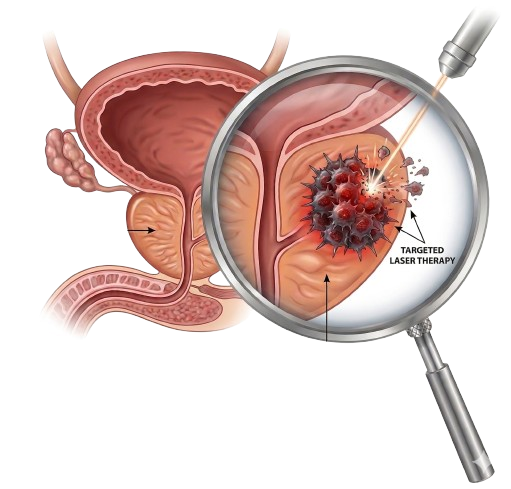
Prostate cancer is one of the most common types of cancer that men get. It starts in the prostate gland, which is a small organ below the bladder that makes seminal fluid. The disease usually grows slowly, so many people may not notice symptoms at first. It may be found in some cases during routine tests like PSA testing. Early detection plays an important role in managing the condition effectively. Patients seeking medical evaluation and care can consult specialists providing Prostate Cancer Treatment in Jaipur for proper diagnosis and guidance.
- It begins when abnormal cells start growing in the prostate gland.
- Symptoms may not be noticeable in the early stages.
- Age, family history, and hormones may make the risk higher.
- Getting diagnosed early helps treatment work better.
When to Consult
When should you consult a prostate cancer treatment doctor in Jaipur?
If you notice changes in how often you urinate or are worried about your prostate health, you should not ignore them. Talking to a doctor early on helps with proper testing and getting treatment on time. Dr. Tara Chand Gupta offers structured and patient-centered prostate cancer treatment in Jaipur. He helps people get better long-term results by giving them clear advice, making sure they get the right diagnosis, and carefully planning their therapy. You should consult when:


Trouble passing urine or a sudden rise in nighttime urination

Blood in urine or semen

Pain in the lower back, hips, or pelvis without any conditions

Family history of prostate cancer and worry about your own risk
Philosophy
Guiding Principles Behind Prostate Cancer Treatment in Jaipur
Managing prostate cancer patients means more than just controlling the disease. It also means helping them through a tough time physically and emotionally. Dr. Tara Chand Gupta thinks that good care should include medical accuracy, kindness, and clear communication. His method for cancer treatment in Jaipur is based on timely intervention, clear advice, and treatments that strike a balance between clinical effectiveness and quality of life.
- Making treatment decisions based on accurate staging and a person’s individual risk assessment
- Use of therapies that are based on scientific evidence and guidelines
- Open discussion about benefits, risks, and long-term expectations


Experience
About doctor
Meet Dr. Tarachand Gupta
M.D., D.M. – Medical Oncology
Specialist in Chemotherapy, Targeted Therapy, and Immunotherapy in Jaipur
Dr. Tara Chand Gupta is a medical oncologist in Jaipur who has been treating cancer patients for more than 12 years. He got his MBBS from SMS Medical College in Jaipur and his MD in General Medicine from SN Medical College in Agra. After that, he trained in Medical Oncology. He has treated people with breast, lung, kidney, gallbladder, bone, oral cancers, prostate, and many other cancers over the years using chemotherapy, targeted therapy, and immunotherapy. His focus is on selecting treatments that are effective while aiming for minimal side effects, ensuring patients across Rajasthan receive balanced and carefully monitored cancer care.
 More About Doctor

Advanced Therapies

Advanced Therapies

Advanced Therapies

Why choose
Why do patients trust Dr. Tara Chand Gupta for prostate cancer treatment in Jaipur?
Patients with prostate cancer trust Dr. Tara Chand Gupta, a Prostate Cancer Treatment Doctor in Jaipur, for clear guidance, honest advice, and practical, personalized treatment decisions.
- Before suggesting any treatment, he goes over each report in detail.
- Takes the time to talk about the stage of cancer and the available options
- Only suggests treatment when it's really needed and based on medical evidence
- Keeps in touch with patients by checking in on them and following up regularly.
What is prostate cancer?
When cells in the prostate gland grow in an unusual and uncontrolled way, prostate cancer starts. Men have a small gland called the prostate that is just below the bladder. It helps make the fluid that carries sperm. This kind of cancer is very common, especially in older men, and it usually grows slowly. A lot of people don’t notice any symptoms in the beginning. As it gets worse, it may make it hard to urinate or cause pain. Early visits to the doctor and timely taking prostate cancer treatment can have a big impact on recovery and long-term health.
Types of prostate cancer
If you have prostate cancer, then it’s first to understand what type it is, which is why a reliable cancer specialist in Jaipur will first tell you that prostate cancer is not just one disease. It can grow in different kinds of cells in the prostate gland, and each kind acts differently. Doctors can choose the best treatment plan if they know what type it is.
- 1. Adenocarcinoma (the most common type)
This is the type of prostate cancer that is most often found. It starts in the gland cells that make prostate fluid. This is the most common type of prostate cancer in the world. It usually grows slowly, but some forms can be very aggressive. - 2. Small Cell Carcinoma
A rare and aggressive type. It grows and spreads quickly, and it doesn’t always raise PSA levels, which can make it harder to find. - 3. Transitional Cell (Urothelial) Carcinoma
This cancer starts in the lining of the urinary tract. In some cases, it starts in the bladder and spreads to the prostate. - 4. Neuroendocrine Tumors
These arise from specialized hormone-producing cells within the prostate. They are rare and may act more aggressively than most prostate cancers. - 5. Sarcomas
These tumors are very rare and come from the prostate’s muscle or connective tissue instead of gland cells.
It is very important to know the exact type of prostate cancer because the treatment options and outcomes depend on it. Early diagnosis with early treatment can make a big difference in long-term outcomes and quality of life.
Symptoms of prostate cancer
If you notice any of the following symptoms, do not ignore them and consider early consultation with an experienced Oncologist in Jaipur for proper evaluation.
Common Symptoms
- Need to urinate a lot, especially at night
- Some people face difficulty starting urination
- Weak or interrupted urine flow
- Feeling that the bladder doesn’t empty all the way
- Pain or burning when urinating
- Blood in urine or semen
Advanced Symptoms (When Cancer Spreads Beyond the Prostate)
- Pain that doesn’t go away in the lower back, hips, or pelvis
- Bone pain that doesn’t get better
- Weight loss that can’t be explained
- Feel very tired
- Swelling in the legs because the lymph nodes are involved
Less Common but Serious Symptoms
- Weakness or numbness in the legs (if cancer presses on the spinal cord)
- In severe cases, loss of control over the bladder or bowels
- Severe difficulty passing urine
If these symptoms don’t go away or get worse, then getting a diagnosis at the right Prostate Cancer treatment Hospital in Jaipur can make a big difference in how well you do and how good your life is.
Causes of prostate cancer
It’s important to know what causes prostate cancer before starting the Advanced Prostate Cancer Treatment in Jaipur. Meanwhile, doctors all over the world say that they still don’t know what causes prostate cancer, but it happens when cells in the prostate start to divide too quickly. Cancer cells keep growing, making a tumor, while healthy cells die on their own. The causes are:
- Age: The risk goes up after age 50, and most cases are found in men over 65.
- Family History: If you have a close relative with prostate cancer, your chances go up by two to three times.
- Gene Mutations: Conditions like Lynch syndrome and changes in the BRCA1 or BRCA2 genes raise the risk.
- Hormonal Influence: Male hormones like testosterone can support the growth of prostate cancer cells.
- Obesity: Being overweight is linked to more severe disease.
- Smoking: Could raise the chances of getting advanced prostate cancer.
- Contact with Certain Chemicals: Being around things like Agent Orange has been linked to a higher risk.
Knowing these things helps with early screening and getting medical care on time. The prostate cancer treatment works better when the cancer is found early, and with this, the patient can get expert help.
Staging of prostate cancer
To get to know the stages is one of the first and most important steps. Cancer staging is based on the internationally accepted TNM guidelines and considers PSA levels and the Gleason score. Staging correctly makes sure that the treatment plan is based on evidence and is unique to each patient. The stages of prostate cancer are:
1. Stage 1 (Low Risk, Localized)
Cancer is only in the prostate and usually grows slowly. PSA levels are low, and the Grade Group is usually 1. Active surveillance is often the best choice, especially if the tumor is small and not very aggressive.
2. Stage 2 (Localized but Higher Risk)
The cancer is still in the prostate, but it may be bigger or more aggressive. Stage 2 is broken down into three parts: 2A, 2B, and 2C. These parts are based on PSA levels and Grade Group. Surgery (radical prostatectomy) or radiation therapy may be part of the treatment.
3. Stage 3 (Locally Advanced)
Cancer has spread from the prostate to nearby tissues, like the seminal vesicles. Surgery, radiation, and hormone therapy are often used together to treat the disease.
4. Stage 4: Advanced or Metastatic
Cancer has moved to the lymph nodes or distant organs, usually the bones. Hormone therapy, targeted therapy, or chemotherapy are examples of systemic therapies that are used to treat the disease.
Accurate staging directly impacts survival outcomes and treatment success. Early diagnosis and evidence-based cancer treatment greatly improve the long-term prognosis and quality of life.
Diagnosis of prostate cancer
Getting an early and accurate diagnosis at a reputable Prostate Cancer Treatment Hospital in Jaipur is very important for finding the disease at the right time and making plans for effective treatment. The diagnosis of Prostate Cancer is:
- Medical History and Physical Examination: The doctor looks at the patient’s symptoms, family history, and general health. A Digital Rectal Examination (DRE) looks for any unusual hard spots in the prostate.
- PSA (Prostate-Specific Antigen) Blood Test: This test checks how much PSA is in the blood. Higher-than-normal levels may mean prostate cancer, but other prostate problems can also cause PSA to go up.
- MRI Scan: A multiparametric MRI can help find suspicious areas in the prostate and point the way to more tests.
- Prostate Biopsy: If tests show cancer, a biopsy is done to take out small pieces of tissue. This is the only sure way to find out if you have prostate cancer.
- Gleason Score/Grade Group: The biopsy sample is given a grade to see how aggressive the cancer cells seem.
- Imaging Tests (CT scan, Bone Scan, PSMA PET-CT): Recommended if there is concern that the cancer may have spread beyond the prostate.
With advanced prostate cancer treatment, a timely and accurate diagnosis leads to better treatment planning and better results.
Prostate cancer treatment options
Choosing the best prostate cancer treatment in Jaipur depends on the stage of the cancer, the PSA level, the Grade Group, the patient’s overall health, and what they want. Modern oncology offers many evidence-based treatment options that are tailored to each person’s needs. The treatment options for prostate cancer are:
- Active Surveillance: Careful monitoring with regular PSA tests, MRI scans, and repeat biopsies. Treatment begins only if the cancer shows signs of growth or becomes more aggressive.
- Radical Prostatectomy (Surgery): Complete removal of the prostate gland and sometimes nearby lymph nodes. Recommended for localized cancer in patients who are healthy enough for surgery and want a permanent cure.
- External Beam Radiation Therapy (EBRT): High-energy radiation beams hit cancer cells in the prostate exactly where they are and kill them. Usually given over the course of several weeks, with advanced techniques that use images to guide them.
- Brachytherapy (Internal Radiation): Radioactive seeds are put directly into the prostate to deliver focused radiation, which reduces damage to healthy tissues nearby.
- Hormone Therapy (Androgen Deprivation Therapy): Lowers testosterone levels, which helps prostate cancer grow. Used alone or with radiation in cases that are very likely to happen or have already happened.
- Chemotherapy: Medications that kill cancer cells and control cancer that has spread beyond the prostate or no longer responds to hormone therapy.
- Targeted Therapy: Used on people with certain genetic mutations, like BRCA changes. These drugs kill cancer cells while leaving healthy cells alone.
- Immunotherapy: Usually used in advanced cases, this medicine makes the body’s immune system recognize and attack prostate cancer cells.
- Radiopharmaceutical Therapy: Radioactive medicines are made to kill bone metastases, which helps with pain and slows the spread of advanced prostate cancer.
Early diagnosis and personalized treatment planning make a big difference that helps in improving survival and quality of life.
Prostate Cancer Treatment in Jaipur by Dr. Tara Chand Gupta
Dr. Tara Chand Gupta, a well-known Prostate Cancer Treatment Doctor in Jaipur, looks over each patient’s reports very carefully before recommending the best course of action. The plan is always based on the stage of cancer, the PSA levels, and the person’s overall health. The treatments are:
- Surgery (Radical Prostatectomy): In the beginning stages, surgery may be recommended to completely remove the prostate gland. The goal is to get rid of the cancer before it spreads to other parts of the body.
- Radiation Therapy: This treatment uses focused energy rays to kill cancer cells. It can be given in several sessions from outside the body or put inside the body in some cases.
- Hormone Therapy (ADT): Testosterone and other male hormones help prostate cancer grow. Hormone therapy lowers these hormone levels, which slows the growth of cancer, especially in advanced cases.
- Chemotherapy: If the cancer spreads or stops responding to hormone therapy, chemotherapy drugs may be used to keep it under control.
- Targeted therapy: Genetic testing reveals particular mutations in certain patients. In these situations, targeted medications are employed to more accurately assault cancer cells.
- Immunotherapy: It helps the immune system fight cancer cells in some advanced cases.
Finding out about it early and getting the right help are very important. Proper and timely Cancer Treatment in Jaipur can improve recovery and help patients live a better quality of life
Contact Us
Reach Out for Expert Cancer Care


Patient Recovery
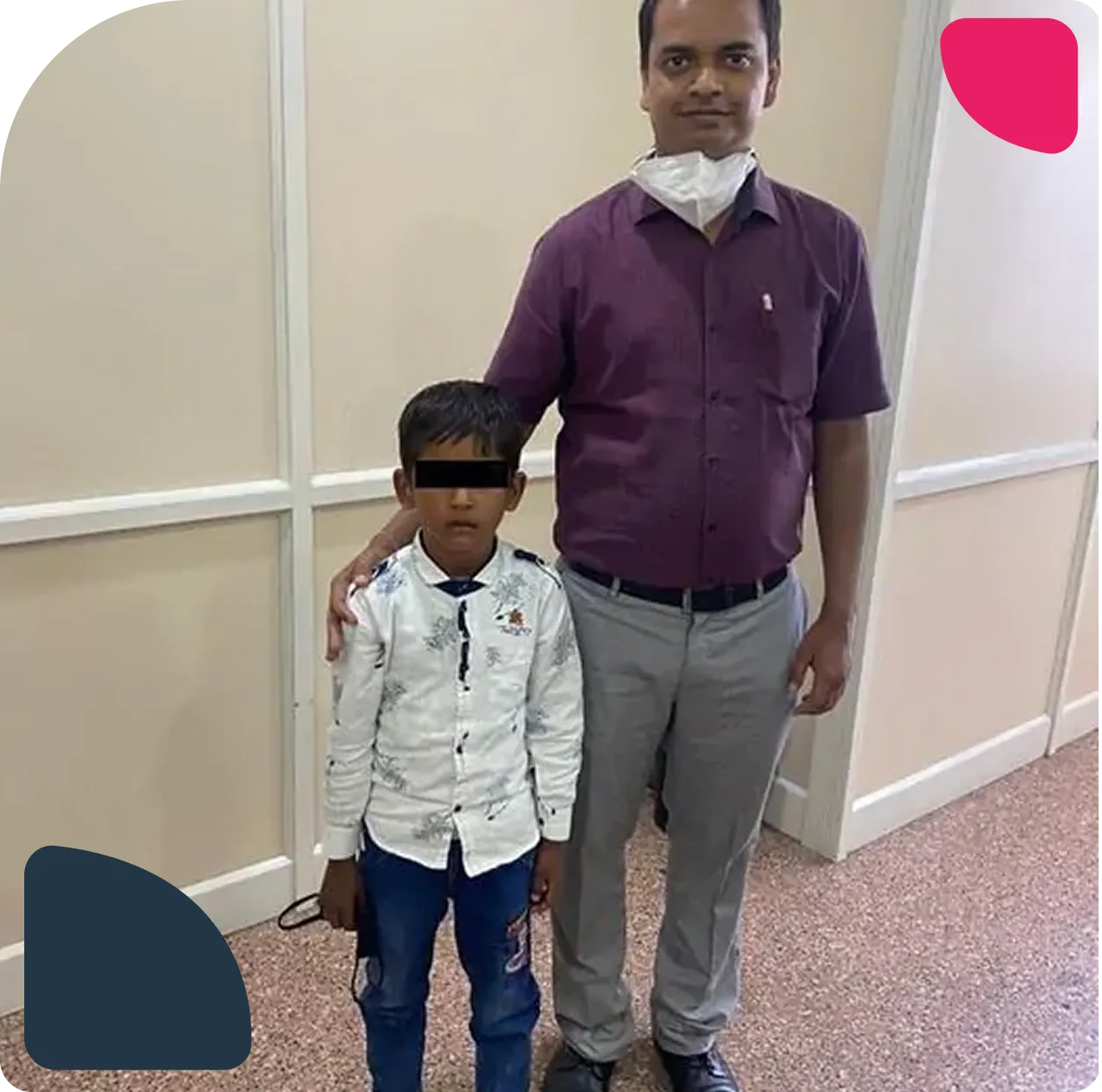
Successful Treatment by Dr. Tara Chand Gupta – Oncologist in Jaipur
This is among the happiest moments of an oncologist when you are celebrating
the birthday of your patient ( because at the time of diagnosis patient and his family members
come without any hope and in mental distress)
Cancer is the deadliest but we are committed to giving out 100% to get the best results that are
up to the international mark. Because of the patient’s faith, blessings of God, parents, and
teachers, and support of our staff we are achieving our goals.
- Age: 6 years
- Disease: Hodgkin Lymphoma
- Treated: for 6 months
- Stage: III
- Result: Complete Remission
Testimonial
What Our Patients Say on Google
Ayush Bhardwaj
Dr.Tara Chand Gupta is one of the finest oncologist of Jaipur. He currently runs this clinic to give high quality service
Deepak Sharma
Dr. Tara is the best oncologist in Jaipur. He treats my friend and help him in defeating this deadly disease….
Divya goyal
Dr. Tara Chand Gupta is one of the finest oncologist doctor in Jaipur and you treat very well…..

FAQs
Frequently Asked Questions
Dr. Tara Chand Gupta is frequently highlighted in major
There may not be any obvious signs of early prostate cancer. But some men have frequent urination, especially at night. They also have weak urine flow, trouble starting to pee, or blood in their urine. If these symptoms don’t go away, it’s important to see a prostate cancer treatment doctor right away.
Yes, if prostate cancer is found early and is limited to the prostate, it is very treatable. With appropriate prostate cancer treatment, many patients achieve long-term remission and have a good quality of life with the right treatment.
Most men should start getting screened when they turn 50. People who have a family history of the disease or are at higher risk may need to be tested sooner. A qualified Cancer Specialist in Jaipur can tell you about PSA testing and how often you should see a doctor.
A PSA blood test, a digital rectal examination (DRE), an MRI scan, and a prostate biopsy are all common ways to find out if you have cancer. Before starting treatment, a well-equipped Prostate Cancer Treatment Hospital in Jaipur makes sure that the staging is correct.
The prostate cancer treatment depends on the stage, the level of PSA, and the person’s overall health. Surgery or radiation may be used to treat cancer that is still in its early stages. Hormone therapy or systemic medicines may be needed for more advanced cases.
Yes, hormone therapy, chemotherapy, and targeted medicines are all part of advanced prostate cancer treatment. These treatments help slow the disease’s progression and control symptoms.
Not all the time. Active surveillance can be used to keep an eye on some early-stage cancers. An experienced oncologist in Jaipur will suggest surgery, radiation, or other treatments depending on the specific case.
The duration varies. Surgery is usually completed in one procedure, while radiation may take several weeks. Hormone therapy can continue for months or longer as part of comprehensive cancer treatment.