




Dr. Tara Chand Gupta
M.D., D.M. Medical Oncology | Bhagwan Mahaveer Hospital & Research Center Expert in Chemotherapy, Targeted Therapy, and Immunotherapy
Throat cancer treatment in Jaipur
If you have persistent throat pain, trouble swallowing, hoarseness, or unexplained weight loss that can indicate a serious condition and should never be ignored. Consult with Dr. Tara Chand Gupta, a throat treatment doctor in Jaipur, who offers expert-guided throat cancer treatment that focuses on accurate diagnosis and personalized treatment plans to support safe and effective cancer care.


Overview
Comprehensive Overview of Throat Cancer Treatment
Throat cancer happens when cells that shouldn’t be there grow in the throat’s tissues, like the pharynx, larynx, or tonsils. This can make it hard to swallow, breathe, and talk. People who want to get treatment for throat cancer treatment in Jaipur need to have a full medical evaluation so that doctors can figure out what is wrong and plan the best course of action.
- Doctors assess symptoms such as persistent sore throat, voice changes, difficulty swallowing, ear pain, or a lump in the neck.
- Tests like laryngoscopy, biopsy, CT scan, MRI, or PET scan help confirm and evaluate the tumor.
- After reviewing medical reports and the patient’s overall health condition, a personalized treatment plan is carefully planned.
When to Consult
When should you consult a throat cancer treatment doctor in Jaipur?
Throat-related symptoms that linger should never be ignored, particularly if they persist for weeks or get progressively worse. An early evaluation is important to enable doctors to find out what’s causing the issue and whether further tests are needed. However, People who are looking for Throat Cancer Treatment in Jaipur should consult a healthcare professional if they experience abnormal or persistent problems in this regard that interfere with normal daily activities.


A sore throat or hoarseness that does not go away after several weeks.

Trouble swallowing foods or a sensation that something is stuck in the throat.

A persistent lump or swelling in the neck.

Unintentional weight loss, persistent pain in the ear, or voice changes.
Philosophy
Guiding Principles Behind Throat Cancer Treatment
Throat Cancer Treatment requires an appropriate clinical evaluation and clear information about the patients condition. Because the disease has impact on speaking, swallowing and breathing, treatment decisions must be made carefully and with close medical supervision.Dr. Tara Chand Gupta, a cancer specialist in Jaipur, believes that proper guidance, informed decision-making, and continuous support are essential throughout the treatment journey. He takes a managed-care approach that targets the cancer but also conserves the quality of life of the patient.
- Detailed knowledge of the patient’s medical status.
- Treatment is planned after the available evaluation and discussion.
- Treat the cancer, but preserve overall health.
- Clear guidance and steady support during treatment.


Experience
About doctor
Meet Dr. Tarachand Gupta
M.D., D.M. – Medical Oncology
Specialist in Chemotherapy, Targeted Therapy, and Immunotherapy in Jaipur
Dr. Tara Chand Gupta is a medical oncologist in Jaipur who has been treating cancer patients for more than 12 years. He got his MBBS from SMS Medical College in Jaipur and his MD in General Medicine from SN Medical College in Agra. After that, he trained in Medical Oncology. He has treated people with breast, lung, kidney, gallbladder, bone, oral cancers, prostate, and many other cancers over the years using chemotherapy, targeted therapy, and immunotherapy. His focus is on selecting treatments that are effective while minimizing side effects, ensuring that patients across Rajasthan receive balanced, carefully monitored cancer care.
 More About Doctor

Advanced Therapies

Advanced Therapies

Advanced Therapies

Why choose
Why do patients trust Dr. Tara Chand Gupta for throat cancer treatment in Jaipur?
Dr. Tara Chand Gupta, a trusted oncologist in Jaipur, is preferred for throat cancer care due to his clear guidance, careful evaluation, and continuous patient support.
- Precise assessment of the condition of that patient before suggesting cancer treatment.
- Clear explanation of diagnosis and treatment options to the patient and families
- Treatment is assigned based on the patient’s health and cancer stage.
- Monitoring and follow-up during the recovery phase.
What is throat cancer?
Throat cancer is a type of malignancy that develops in the throat. When someone finds out they have throat cancer, it can raise a lot of questions and worries for both the person and their family. Having a doctor who listens carefully and explains the condition in a clear and calm way can make a big difference at this time. Dr. Tara Chand Gupta is an oncologist in Jaipur who is known for taking the time to learn about each patient’s situation before suggesting treatment. Patients trust him with their care because he focuses on:
- Going over reports like biopsy, scans, and other test results very carefully
- Using simple language to explain the condition and the treatment plan
- Making a treatment plan based on how far along and how bad the cancer is
- Using the right treatments, such as chemotherapy, targeted therapy, or immunotherapy, when necessary
- Following up regularly to see how the treatment is going and how the patient is recovering.

Types of throat cancer
Throat cancer is a broad term for cancers that form in various parts of the throat or voice box. These cancers are usually classified by the particular part of the throat in which malignant cells initially start to develop. The types are:
- Nasopharyngeal Cancer: This cancer starts in the nasopharynx, which is located at the upper part of your throat behind your nose.
- Oropharyngeal Cancer: This type of cancer develops in the oropharynx, which is the middle part of the throat just behind the mouth, including the tonsils and the base of the tongue.
- Hypopharyngeal Cancer: This type of cancer starts in the lower part of your throat, just above the esophagus and windpipe.
- Laryngeal Cancer: This type of cancer specifically targets the voice box with a possible occurrence in three different areas — supraglottis (the upper part), glottis (where vocal cords are located), and subglottis (the lower part).
Understanding these types helps in identifying the location of the disease and planning the Best Throat Cancer Treatment in Jaipur.
Symptoms of throat cancer
Throat cancer may not show clear or noticeable signs in the beginning. As the disease gets worse, you might notice some changes in your throat, voice, or swallowing. If these symptoms last for a long time, you shouldn’t ignore them even though they may look like common infections or throat problems. The signs and symptoms of throat cancer are:
- Persistent sore throat that does not heal over time.
- Trouble or pain when swallowing food or liquids
- A lump or swelling in the throat, neck, or back of the mouth.
- Changes in the voice, like hoarseness or speech that is hard to understand.
- Continuous cough or coughing up mucus that may contain blood.
- Ear pain without a clear infection in the ear.
- Repeated nasal blockage or frequent nosebleeds.
- Losing weight without any clear reasons, but it can often be due to discomfort during eating.
If these symptoms last for two weeks or more, it’s important to see a doctor because a quick diagnosis can help plan the best Throat Cancer Treatment in Jaipur and improve the results of treatment.
Causes of throat cancer
Throat cancer is caused when cells in the throat undergo abnormal behavior and increase uncontrollably. These alterations often occur due to genetic mutations in the cells. Over time, the abnormal cells can develop into a tumor and spread to surrounding tissues if left untreated. Although we do not know exactly what causes these changes, some lifestyle habits, infections, and environmental exposure can increase the risk. The causes are:
- Tobacco chewing: Cigarette, cigar smoking, and chewing tobacco are significant risk factors associated with throat cancer.
- High levels of alcohol consumption: Frequent, high intake of alcohol, particularly in association with smoking, considerably increases the risk factor.
- Human papillomavirus (HPV) infection: Some types of HPV infection increase the risk for throat cancers, especially those that occur around the tonsils and base of the tongue.
- Epstein–Barr virus infection: This viral infection has been associated with some types of throat cancer, particularly nasopharyngeal cancer.
- Exposure to toxic substances: Long-term exposure to chemicals like asbestos, wood dust, and formaldehyde can increase risk.
- Poor diet: Low fruit and vegetable intake and high intake of preserved or processed foods can increase the risk for throat cancer.
- GERD: Chronic acid reflux can irritate throat tissues and boost the risk of cellular changes.
By being aware of these potential causes and risk factors, people can make informed decisions about seeking timely medical advice and receiving the correct treatment at a specialized Throat Cancer treatment Hospital in Jaipur if concerning symptoms appear.
Staging of throat cancer
Different stages of throat cancer show how far the disease has spread in the throat or nearby tissues and how advanced it is. A Cancer Specialist in Jaipur can better assess the situation and decide on the best course of action for treatment by knowing these stages.
- Stage I: The tumor is small and only in one part of the throat or voice box; it hasn’t spread to nearby lymph nodes yet.
- Stage II: The cancer gets bigger or may spread to nearby parts of the throat, but it still hasn’t spread to the lymph nodes.
- Stage III: At this point, the tumor may continue to grow and may spread to nearby lymph nodes or tissues.
- Stage IV: This is the most advanced stage, when the cancer may have spread to nearby structures, several lymph nodes, or other parts of the body.
Knowing what stage throat cancer is in helps doctors plan treatment and manage the disease as a whole.
Diagnosis of throat cancer
Diagnosing throat cancer typically requires a detailed examination of symptoms, along with several medical tests that can help determine whether cancer exists. At a Throat Cancer treatment Hospital in Jaipur, patients are generally advised to undergo certain examinations that help identify abnormal growth in the throat and understand how far the condition may have progressed.
- Physical examination: This will involve a physical exam of your throat and neck to look for lumps, swelling, or any other abnormal changes.
- Endoscopy: A thin tube with a flashlight is gently placed through the mouth or nose so the inside of the throat can be viewed more clearly.
- Laryngoscopy: A special tool known as a laryngoscope closely examines your voice box and vocal cords for any abnormal tissue.
- Biopsy: If an area looks problematic, a small portion of tissue is removed and sent to a lab, where it’s examined under a microscope for the presence of cancer cells.
- Imaging tests: Scans like CT, MRI, or PET may be suggested to get a sense of the size of the tumor and whether it’s spread beyond the throat.
The correct diagnosis is essential in planning appropriate treatment and guiding patients toward Advanced Throat Cancer Treatment in Jaipur at the right time.
Throat cancer treatment options
Throat cancer treatment plans vary from one patient to another and are based on each individual’s overall health, the stage of their disease, and the location of tumor growth. These factors are further considered by specialists providing Cancer Treatment in Jaipur before suggesting the right way to proceed with treatment.
- Surgery: Usually, the cancerous tissue is removed from the throat through surgery. In early cases, small tumors may be removed with minimally invasive procedures using endoscopic tools or lasers. In more severe cases, some of the throat or voice box may need to be cut away, and surrounding lymph nodes may also be treated if their cells have cancer.
- Radiation Therapy: It employs high-energy beams to kill cancer cells. It can be used as the main treatment for early-stage throat cancer or in combination with other treatments such as surgery or chemotherapy for advanced disease.
- Chemotherapy: It consists of medicines that help kill or slow the growth of cancer cells. It is often given in combination with radiation therapy or before surgery to shrink tumors.
- Targeted Therapy: This therapy targets specific proteins or molecular changes that promote the growth of cancer cells. These drugs help target the cancer but spare much of the nearby healthy tissue.
- Immunotherapy: It helps the body’s immune system recognize and attack cancer cells. It is used in specific advanced cases or if other therapies do not respond properly.
Throat Cancer Treatment in Jaipur by Dr. Tara Chand Gupta
The stage of the cancer and the patient’s overall health all play a role in deciding how to treat throat cancer. Dr. Tara Chand Gupta is a highly trained cancer specialist in Jaipur who provides comprehensive, condition-tailored care, using advanced therapies and careful treatment planning. The treatments he provides for throat cancer are:
- Chemotherapy: This uses medicines to kill cancer cells or slow their growth. These drugs move through the blood and can be used alone or with other treatments, depending on how far along the throat cancer is.
- Radiation Treatment: This uses beams of high energy to find and kill cancer cells in the area that is sick. It is often suggested for some stages of throat cancer and can be used with other treatments when needed.
- Targeted Therapy: This therapy uses medicines that stop certain proteins or changes in cancer cells that help them grow.
Throat cancer treatment is planned after carefully understanding the stage of the disease and the patient’s overall health. Dr. Tara Chand Gupta, a throat cancer treatment doctor in Jaipur, evaluates each case before recommending appropriate treatment options.
Contact Us
Reach Out for Expert Cancer Care


Patient Recovery
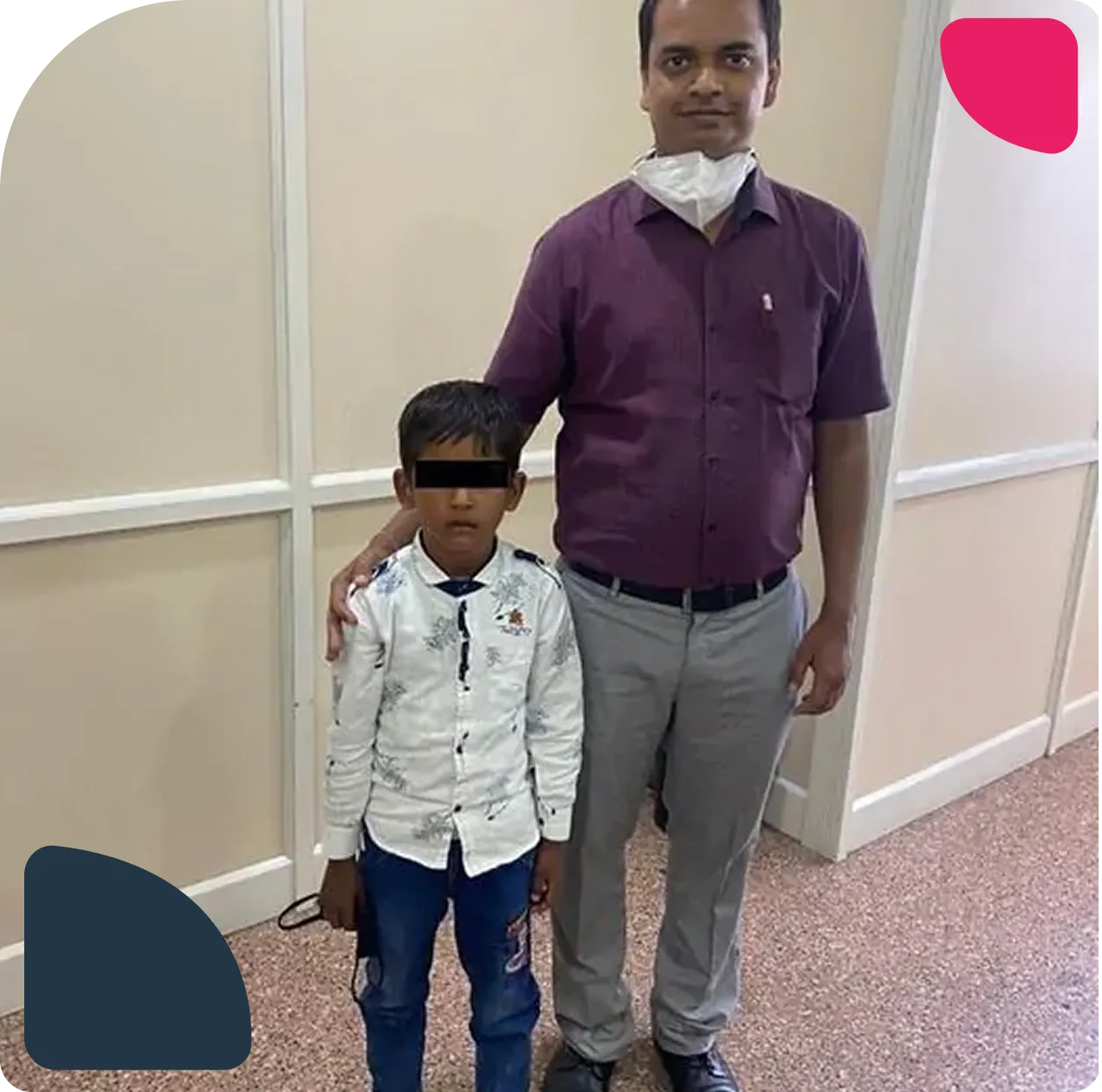
Successful Treatment by Dr. Tara Chand Gupta – Oncologist in Jaipur
This is among the happiest moments of an oncologist when you are celebrating
the birthday of your patient ( because at the time of diagnosis patient and his family members
come without any hope and in mental distress)
Cancer is the deadliest but we are committed to giving out 100% to get the best results that are
up to the international mark. Because of the patient’s faith, blessings of God, parents, and
teachers, and support of our staff we are achieving our goals.
- Age: 6 years
- Disease: Hodgkin Lymphoma
- Treated: for 6 months
- Stage: III
- Result: Complete Remission
Testimonial
What Our Patients Say on Google
Ayush Bhardwaj
Dr.Tara Chand Gupta is one of the finest oncologist of Jaipur. He currently runs this clinic to give high quality service
Deepak Sharma
Dr. Tara is the best oncologist in Jaipur. He treats my friend and help him in defeating this deadly disease….
Divya goyal
Dr. Tara Chand Gupta is one of the finest oncologist doctor in Jaipur and you treat very well…..

FAQs
Frequently Asked Questions
Dr. Tara Chand Gupta is frequently highlighted in major
Yes, throat cancer can often be treated successfully, especially if it is found early. The type of treatment you get usually depends on where the cancer is and how advanced it is. It could be radiation therapy, chemotherapy, or a combination of the two. Early diagnosis and prompt medical intervention are crucial in enhancing treatment outcomes and managing the disease effectively.
Stage 1 throat cancer is considered an early stage of the disease. At this point, the tumor is small and only in the throat where it started. It hasn’t moved to other organs or lymph nodes nearby. Because the cancer is localized, treatment at this stage is usually more effective.
You can’t diagnose throat cancer at home, but some symptoms may worry you. A constant sore throat, a hoarse voice, trouble swallowing, ear pain, or a lump in the neck could all be warning signs. If these symptoms last longer than two or three weeks, you should see a doctor for a full medical checkup.
Yes, people often use endoscopy to look at the throat and the structures around it. A thin, flexible tube with a small camera is put through the nose or mouth to look at the throat during the procedure. If any suspicious area is seen, doctors may take a tissue sample (biopsy) to confirm the presence of cancer cells.
Throat cancer usually starts when cells in the lining of the throat grow out of control. These cells might turn into a tumor over time. Some risk factors, like smoking, drinking too much alcohol, having HPV, and long-term irritation of the throat tissues, may make it more likely that you will get this condition.
Early symptoms of throat cancer may include a persistent sore throat, difficulty swallowing, hoarseness or voice changes, ear pain, or a lump in the neck. At first, these symptoms may not seem too bad, but you should see a doctor right away if they last for more than a few weeks. Early medical evaluation helps with timely diagnosis.
At first, throat cancer may not always cause a lot of pain. Some people may only have mild symptoms like a sore throat, hoarseness, or trouble swallowing. As the disease gets worse, you may notice more pain or discomfort in your throat and neck.
The survival rate of throat cancer depends on the stage at which it is diagnosed and the overall health of the patient. When found early, treatment usually works better. Getting a diagnosis early and getting the right medical care are both very important for increasing the chances of survival.