




Dr. Tara Chand Gupta
M.D., D.M. Medical Oncology | Bhagwan Mahaveer Hospital & Research Center Expert in Chemotherapy, Targeted Therapy, and Immunotherapy
Lymphoma cancer treatment in Jaipur
If you notice painless swelling in your neck, armpits, or groin along with symptoms like constant tiredness, fever, night sweats, or unexplained weight loss, you should see a doctor right away. Dr. Tara Chand Gupta offers advanced and personalized lymphoma treatment in Jaipur, with a focus on getting the right diagnosis and making the right treatment plan for each patient.


Overview
Comprehensive Overview of Lymphoma Cancer Treatment
Lymphoma is a cancer of the lymphatic system, which plays an essential role in protecting the body against infection. It occurs when lymphocytes, a kind of white blood cell, grow abnormally and accumulate in lymph nodes or other tissues. A thorough medical evaluation provides confirmation of the disease and assists with treatment planning. Dr. Tara Chand Gupta provides structured and patient-focused Lymphoma Treatment in Jaipur to manage the disease effectively.
- Lymphoma is typically confirmed by medical examination and laboratory tests.
- Imaging scans determine staging, as well as which areas of the body are involved.
- Treatment is planned based on the type and stage of lymphoma to control the disease and support recovery.
When to Consult
When should you consult a lymphoma cancer treatment doctor in Jaipur?
If certain symptoms stay for a long time or keep coming back without a clear reason, it is important to speak with a doctor. Getting medical advice early helps doctors understand the problem, check the symptoms carefully, and guide the next steps of care. Dr. Tara Chand Gupta provides careful evaluation and patient-focused Lymphoma Treatment in Jaipur to help patients receive the right medical attention at the right time. You should consult a doctor if:


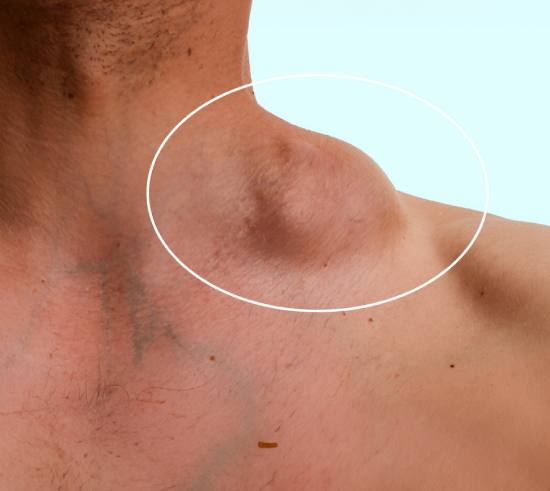
A painless swelling in the neck, armpits, or groin does not go away for several weeks.

Feeling very tired most of the time, even after proper rest.

Fever or heavy night sweats happen repeatedly without an obvious infection.

Unexplained weight loss or loss of appetite occurs without any clear reason.
Philosophy
Guiding Principles Behind Lymphoma Cancer Treatment
Lymphoma treatment is not only about medicines and medical procedures; it also involves understanding the patient as a whole. Every person’s condition, strength, and concerns are different, so treatment must be planned with care and responsibility. Dr. Tara Chand Gupta, a cancer specialist in Jaipur, believes that thoughtful planning, honest guidance, and steady medical care are essential for managing lymphoma and helping patients move forward with confidence.
- The principles he follows during lymphoma treatment include:
- Every patient’s condition is carefully understood before treatment begins.
- Medical decisions are taken after thoughtful evaluation and discussion.
- The focus remains on controlling the disease while protecting overall health.
- Patients are guided with clear information and steady support at every step.

Experience
About doctor
Meet Dr. Tarachand Gupta
M.D., D.M. – Medical Oncology
Specialist in Chemotherapy, Targeted Therapy, and Immunotherapy in Jaipur
Dr. Tara Chand Gupta is a medical oncologist in Jaipur who has been treating cancer patients for more than 12 years. He got his MBBS from SMS Medical College in Jaipur and his MD in General Medicine from SN Medical College in Agra. After that, he trained in Medical Oncology. He has treated people with breast, lung, kidney, gallbladder, bone, oral cancers, prostate, and many other cancers over the years using chemotherapy, targeted therapy, and immunotherapy. His focus is on selecting treatments that are effective while minimizing side effects, ensuring that patients across Rajasthan receive balanced, carefully monitored cancer care.
 More About Doctor

Advanced Therapies

Advanced Therapies

Advanced Therapies

Why choose
Why do patients trust Dr. Tara Chand Gupta for lymphoma cancer treatment in Jaipur?
Dr. Tara Chand Gupta, a trusted lymphoma specialist in Jaipur, is known for clear guidance, careful evaluation, and personalized treatment planning focused on each patient’s needs.
- Carefully learns about the patient's condition before suggesting treatment.
- Uses simple, clear language to explain the treatment process.
- Concentrates on both the patient's health care and their overall well-being.
- Continues to provide follow-up care to keep an eye on recovery after treatment.
What is lymphoma cancer?
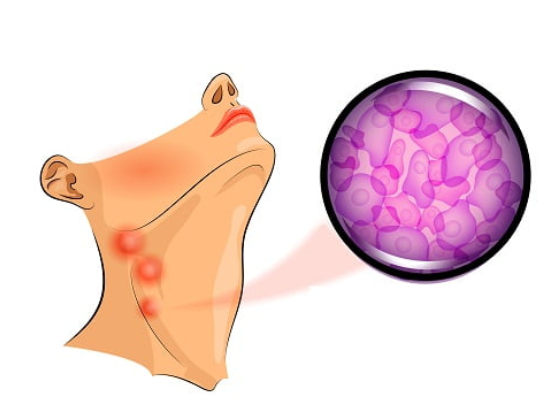
Lymphoma cancer starts in the lymphatic system, which is a part of the body that helps fight infections. It happens when lymphocytes, a type of white blood cell, start to grow too quickly instead of doing their job. These strange cells can collect in the lymph nodes, making them swell, and they may also have an effect on other parts of the body. Lymphoma is a type of blood cancer because it starts in blood cells that fight infections. It can happen at any age. It’s important to pay attention to unusual symptoms such as painless swelling, fever, or unexplained weight loss. These could be signs that you need to see a doctor right away and get the right lymphoma cancer treatment in Jaipur.
Types of lymphoma cancer
Lymphoma is not just one disease. It includes several types of cancer that start in lymphocytes, which are the white blood cells that help the body fight infections. Knowing the exact type of lymphoma will help you understand what treatment is best for you. The types of lymphoma are:
1. Hodgkin’s Lymphoma
Hodgkin lymphoma is a type of lymphoma that can be seen in the lymph nodes when they are looked at in a lab. It usually starts in one group of lymph nodes and can slowly spread to nearby nodes if left untreated. With timely medical care, many people respond well to treatment.
2. Non-Hodgkin Lymphoma
Non-Hodgkin lymphoma is a larger group of lymphatic cancers that start in lymphocytes. These cancers can grow slowly or quickly, depending on the type. The condition may affect lymph nodes or other parts of the body where lymphatic tissue is present.
Knowing the exact type of lymphoma is important for picking the best way to treat it. Getting help from an experienced Lymphoma Cancer Treatment Doctor in Jaipur can help with getting the right diagnosis, making a treatment plan, and getting ongoing medical care.
Symptoms of lymphoma cancer
Lymphoma symptoms can vary from person to person and may depend on where in the body the disease is affecting. In a lot of cases, early-stage lymphoma doesn’t show any clear signs. But as the disease gets worse, some warning signs may show up that you shouldn’t ignore.
- Lymph nodes in the neck, armpits, or groin that stay swollen for weeks at a time
- Even after getting enough sleep, you still feel tired all the time.
- A fever that comes back or lasts for more than a few days
- A lot of sweating at night that makes clothes or sheets very wet
- Weight loss that happens without dieting or working out
- Itching on the skin for no apparent reason
- Pain or discomfort in the stomach, chest, or bones
- Having trouble breathing or shortness of breath
- Loss of appetite
Sometimes, lymphoma can also affect the skin and cause rashes, patches, changes in skin color, or skin that hurts when it peels. If this effect brain or spinal cord, then the person may experience headache, confusion, vision problems, nausea, vomiting, hearing problems, or weakness in the arms and legs.
If you have any of these symptoms for a long time, you should see a doctor. Getting checked out early at a reputable Lymphoma Cancer Treatment Hospital in Jaipur can help with getting the right diagnosis and treatment on time.
Causes of lymphoma cancer
The exact cause of lymphoma is not always clearly known. It usually begins when lymphocytes, a type of white blood cell that helps fight infection, develop changes in their DNA. These changes mess up the normal cycle of cell growth. That is why, before going for a lymphoma cancer treatment in Jaipur, it is important to know the causes. The factors that increase the lymphoma include:
- Having a family history of lymphoma, especially in close relatives
- Some diseases or medical treatments can make your immune system weaker.
- Autoimmune diseases in which the immune system attacks healthy body tissues
- Some infections, like viral or bacterial infections that attack immune cells
- Long-term immune suppression, like after an organ transplant or taking medicine for a long time.
These factors may raise the risk, but lymphoma can also happen for no clear reason. It’s important to get medical help right away if symptoms don’t go away. This will help you get the right diagnosis and Advanced Lymphoma Cancer Treatment in Jaipur.
Staging of lymphoma cancer
Knowing what stage the lymphoma is in is an important part of making a diagnosis and planning treatment. A Lymphoma Cancer Doctor in Jaipur looks closely at test results like scans, blood tests, and biopsy reports to find out how far the disease has spread in the body.
- Stage I: At this point, lymphoma only affects one group of lymph nodes or one lymphatic organ. Because the disease is limited to one area, getting medical help early can help control it well.
- Step II: In this stage, lymphoma is present in two or more groups of lymph nodes with lymphoma, but they are all on the same side of the diaphragm. The illness may also spread to nearby tissues in that area.
- Stage III: At this stage, lymphoma has spread to the lymph nodes on both sides of the diaphragm. Sometimes other organs, like the spleen, can also be involved.
- Stage IV: This is the most advanced stage, when lymphoma has spread to organs like the liver, lungs, or bone marrow outside of the lymphatic system.
A Lymphoma Cancer Specialist in Jaipur can suggest the best treatment plan and help patients with the next steps of care once the stage has been determined.
Diagnosis of lymphoma cancer
There are a number of steps that must be taken to confirm the diagnosis of lymphoma and find out how much of the body is affected. At a reputable Lymphoma Cancer Treatment Hospital in Jaipur, doctors carefully look at symptoms, do tests, and suggest other tests to make sure they get the right diagnosis.
- Physical examination: A physical exam is often the first step in making a diagnosis. The doctor checks the neck, armpits, and groin for swollen lymph nodes. They might also look at the stomach to see if the spleen or liver is bigger than normal.
Blood test: It helps doctors understand how the body is functioning. These tests check different types of blood cells and may also measure certain markers that can sometimes be higher in people with lymphoma. - Imagine Tests: CT, PET, and MRI scans are all types of scans that let you see inside the body. These tests help doctors find swollen lymph nodes and check to see if the disease has spread to other parts of the body.
- Biopsy: The biopsy is the most important test for finding out if you have lymphoma. A small piece of tissue, usually from a lymph node, is taken out to see if it has cancer cells in it.
- Bone Marrow Test: Doctors may also take a sample of the bone marrow to see if there are lymphoma cells there.
After looking at all of these results, doctors confirm the diagnosis and figure out the type and stage of lymphoma so that the best lymphoma cancer treatment in Jaipur can be planned.
Lymphoma cancer treatment options
Lymphoma treatment depends on the type of lymphoma, its stage, and the patient’s overall health. Doctors providing Cancer Treatment in Jaipur carefully evaluate these factors to decide the most suitable treatment plan and ensure the disease is managed effectively
- Chemotherapy: Chemotherapy is one of the most common ways to treat lymphoma. It uses drugs that go through the blood to kill cancer cells and stop them from growing.
- Radiation Treatment: Radiation therapy uses high-energy rays that are carefully controlled to attack lymphoma cells in certain parts of the body. It is commonly employed when the disease is confined to specific lymph nodes.
- Targeted therapy: This therapy works by focusing on changes in cancer cells that help them grow. Moreover, this therapy is meant to work more specifically on lymphoma cells.
- Immunotherapy: This therapy helps the immune system find and kill lymphoma cells. In some cases, it is used to make treatment work better.
- Stem cell transplant: In some cases, doctors may suggest a stem cell transplant so that, after intensive treatment, this procedure helps restore healthy blood-forming cells.
With proper evaluation and the right treatment approach, patients can receive effective Lymphoma Cancer Treatment in Jaipur to manage the disease and improve overall health.
Lymphoma Cancer Treatment in Jaipur by Dr. Tara Chand Gupta
Dr. Tara Chand Gupta is a highly trained oncologist in Jaipur who offers complete care to patients with lymphoma. He offers effective Cancer Treatment in Jaipur that is tailored to the patient’s condition and stage of the disease, using advanced medical therapies and careful treatment planning.
- Chemotherapy: One of the most common ways to treat lymphoma is with chemotherapy, as it is the strong medicines that fight cancer that go through the blood to kill cancer cells or stop them from growing.
- Targeted Treatment: This therapy works on certain proteins or changes that are present in lymphoma cells. These drugs stop the signals that tell cancer cells to grow and divide.
- Immunotherapy: This makes it easier for the immune system to find and kill lymphoma cells. It boosts the body’s natural defences against the disease.
- Radiation Therapy: It is used to treat lymphoma in certain parts of the body in some cases. High-energy rays are aimed at the lymph nodes that are affected to kill cancer cells.
Hence, with proper evaluation and a patient-focused approach, Dr. Tara Chand Gupta aims to provide the most suitable Lymphoma Cancer Treatment in Jaipur, ensure careful monitoring and supportive care throughout the treatment journey.
Contact Us
Reach Out for Expert Cancer Care


Patient Recovery
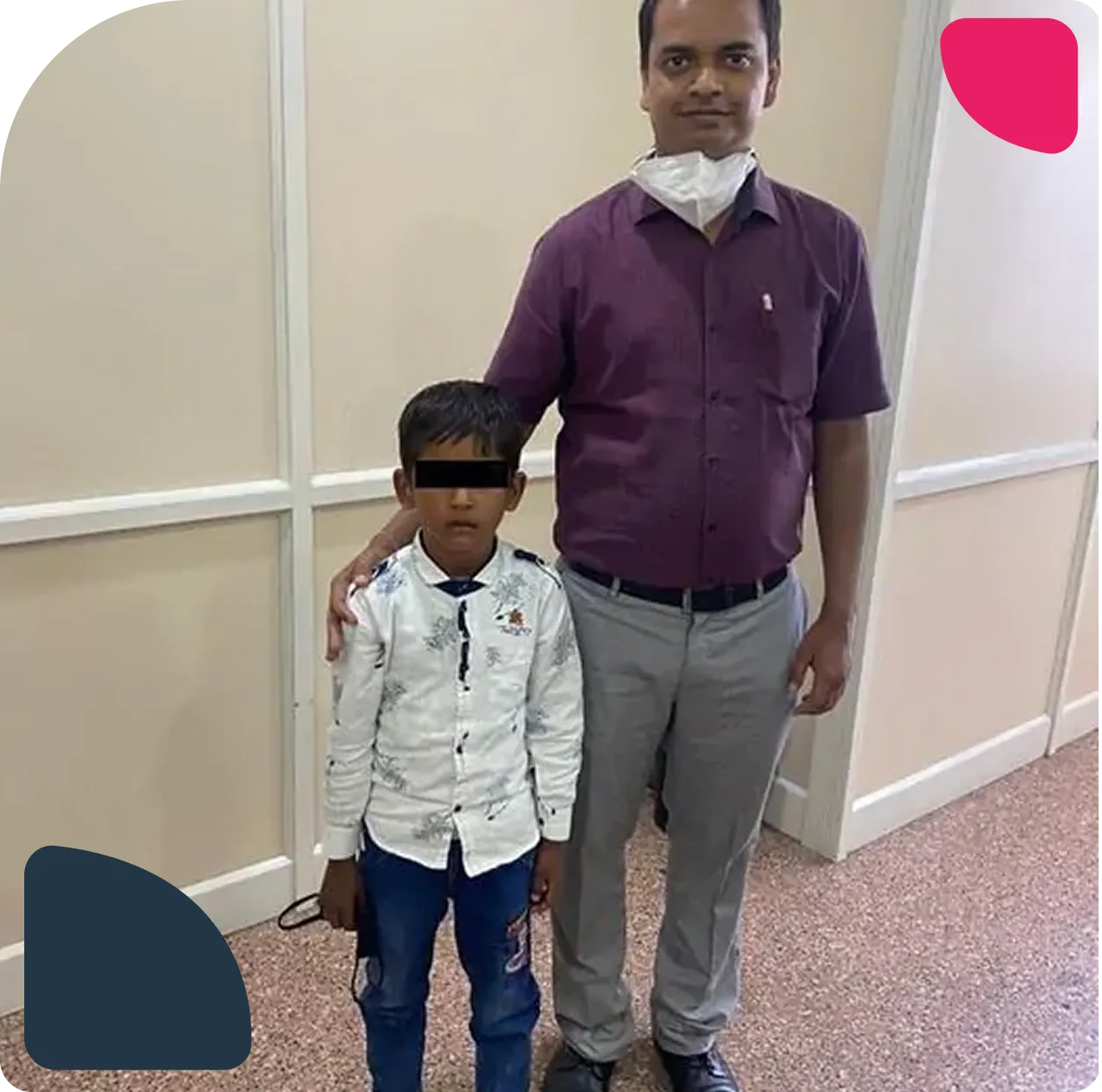
Successful Treatment by Dr. Tara Chand Gupta – Oncologist in Jaipur
This is among the happiest moments of an oncologist when you are celebrating
the birthday of your patient ( because at the time of diagnosis patient and his family members
come without any hope and in mental distress)
Cancer is the deadliest but we are committed to giving out 100% to get the best results that are
up to the international mark. Because of the patient’s faith, blessings of God, parents, and
teachers, and support of our staff we are achieving our goals.
- Age: 6 years
- Disease: Hodgkin Lymphoma
- Treated: for 6 months
- Stage: III
- Result: Complete Remission
Testimonial
What Our Patients Say on Google
Ayush Bhardwaj
Dr.Tara Chand Gupta is one of the finest oncologist of Jaipur. He currently runs this clinic to give high quality service
Deepak Sharma
Dr. Tara is the best oncologist in Jaipur. He treats my friend and help him in defeating this deadly disease….
Divya goyal
Dr. Tara Chand Gupta is one of the finest oncologist doctor in Jaipur and you treat very well…..

FAQs
Frequently Asked Questions
Dr. Tara Chand Gupta is frequently highlighted in major
At first, lymphoma may not have any clear signs. A lot of people notice that their lymph nodes swell up without hurting. This happens a lot in the neck, armpits, or groin. Other signs could be tiredness, fever, night sweats, and losing weight for no reason. If these signs last for weeks, then medical advice should be taken.
Some types of lymphoma can be cured, especially when diagnosed early. Even in advanced stages, treatment can often keep the disease under control and help people live longer with a good quality of life. The type of lymphoma, the stage of the disease, and how well the patient responds to treatment usually determine the outcome.
The most advanced stage of lymphoma is stage 4. At this point, cancer has spread from the lymph nodes to other parts of the body, like the liver, lungs, or bone marrow. Even though the disease is advanced, treatment can still help control it and make symptoms less severe.
The chance of surviving lymphoma depends on things like the type of lymphoma, the stage at which it was diagnosed, and the patient’s overall health. Most of the time, people respond well to treatment, and studies show that survival rates are often between 70% and 80%. But it’s only possible to get diagnosed early and the right treatment for better results.
Lymphoma can sometimes be found early if you check out symptoms like swollen lymph nodes, tiredness, or a fever that won’t go away right away. Doctors can find the disease earlier and start the right treatment when needed if patients get regular check-ups and see a doctor right away if they notice any unusual symptoms.
People whose immune systems are weak, who have certain infections, or who have autoimmune diseases may be more likely to get lymphoma. A family history of lymphoma may also raise the risk a little bit. But lymphoma can happen to people who don’t have any known risk factors.
Yes, lymphoma can spread to other parts of the body if it gets worse. It could hurt organs like the spleen, bone marrow, liver, or lungs. Before planning treatment, doctors use staging tests to figure out how far lymphoma has spread.