




Dr. Tara Chand Gupta
M.D., D.M. Medical Oncology | Bhagwan Mahaveer Hospital & Research Center Expert in Chemotherapy, Targeted Therapy, and Immunotherapy
Kidney cancer treatment in Jaipur
If you notice blood in urine, persistent side or back pain, unexplained weight loss, fatigue, or swelling near the kidney area, do not ignore these signs. Consult today with Dr. Tara Chand Gupta, a kidney cancer specialist in Jaipur, for proper evaluation and care.


Overview
Comprehensive Overview of Kidney Cancer Treatment
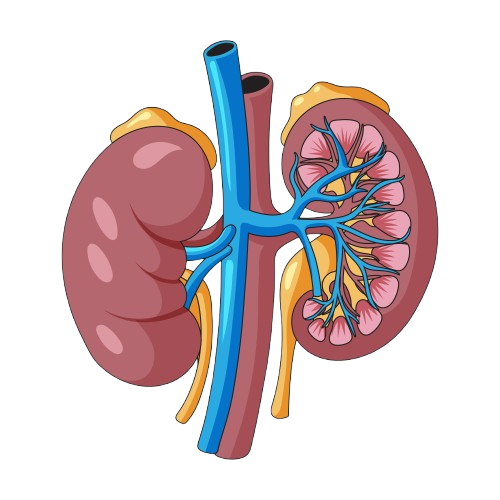
Kidney cancer happens when cells that shouldn’t be there start to grow in the kidney’s tissues and form a tumor. These kidneys are very important for filtering waste out of the blood and keeping the body’s fluids in balance. People who want to get a kidney cancer treatment in Jaipur usually have a thorough medical exam so that doctors can learn more about the disease and come up with the best treatment plan.
- Doctors assess symptoms such as blood in urine, persistent side or back pain, fatigue, or unexplained weight loss.
- Diagnostic tests like ultrasound, CT scan, MRI, blood tests, and urine tests help detect and evaluate the tumor.
- After reviewing reports and the patient’s health condition, doctors create a personalized treatment plan.
When to Consult
When should you consult a kidney cancer treatment doctor in Jaipur?
Kidney-related symptoms that linger should never be ignored, particularly if they persist for weeks or get progressively worse. An early evaluation is important to enable doctors to find out what’s causing the issue and whether further tests are needed. However, People who are looking for Kidney Cancer Treatment in Jaipur should consult a healthcare professional if they experience abnormal or persistent problems in this regard that interfere with normal daily activities.


Blood in the urine or urine that can be pink, red, or cola-colored.

Constant pain in the side or lower back that does not improve over time.

A lump or swelling near the kidney area or in the side of the abdomen.

Unexplained weight loss, fatigue, or loss of appetite without a clear reason.
Philosophy
Guiding Principles Behind Kidney Cancer Treatment
Taking care of someone with kidney cancer is not just about treating the disease; it’s also about helping them through one of the hardest times in their life. Dr. Tara Chand Gupta is a dedicated kidney cancer doctor in Jaipur who thinks that treatment should be accurate, caring, and specific to each patient’s needs. He focuses on making sure that people with kidney cancer get the best care possible while also making sure that they can still enjoy their lives.
- Individualized treatment planning for every kidney cancer case
- Adherence to ethical and evidence-based therapies
- Paying attention to both medical results and patient comfort
- Continuous monitoring and long-term follow-up care


Experience
About doctor
Meet Dr. Tarachand Gupta
M.D., D.M. – Medical Oncology
Specialist in Chemotherapy, Targeted Therapy, and Immunotherapy in Jaipur
Dr. Tara Chand Gupta is a medical oncologist in Jaipur who has been treating cancer patients for more than 12 years. He got his MBBS from SMS Medical College in Jaipur and his MD in General Medicine from SN Medical College in Agra. After that, he trained in Medical Oncology. He has treated people with breast, lung, kidney, gallbladder, bone, oral cancers, prostate, and many other cancers over the years using chemotherapy, targeted therapy, and immunotherapy. His focus is on selecting treatments that are effective while minimizing side effects, ensuring that patients across Rajasthan receive balanced, carefully monitored cancer care.
 More About Doctor

Advanced Therapies

Advanced Therapies

Advanced Therapies

Why choose
Why do patients trust Dr. Tara Chand Gupta for Kidney cancer treatment in Jaipur?
Dr. Tara Chand Gupta, a cancer specialist in Jaipur, is trusted for kidney cancer care due to his calm approach, clear explanations, and personalized treatment after understanding each patient’s condition.
- Going over reports like biopsy, scans, and other test results very carefully
- Using simple language to explain the condition and the treatment plan
- Making a treatment plan based on how far along and how bad the cancer is
- Using the right treatments, such as targeted therapy, immunotherapy, or other treatments as well when necessary
What is kidney cancer?
Kidney cancer is a condition in which abnormal cells begin to grow inside the kidney and form a tumor. The kidneys are two bean-shaped organs located on either side of the spine that play an important role in filtering waste from the blood, balancing body fluids, and producing urine. When some kidney cells start multiplying faster than normal and do not die at the usual time, they can gradually form a mass that affects how the kidney works. In many cases, kidney cancer does not cause clear symptoms in its early stages and may be discovered during imaging tests performed for other medical concerns. Finding cancer early is important because treatment works better when the cancer is still only in the kidney.
Types of kidney cancer
Kidney cancer is not a single disease. It can begin in different types of cells within the kidney, and each type behaves slightly differently. Identifying the exact type of kidney cancer helps doctors decide the most suitable treatment plan and understand how the disease may progress. The types of kidney cancer are:
- Renal Cell Carcinoma (RCC): It is the most common form of kidney cancer in adults. It begins in the lining of small filtering tubes of the kidney that help cleanse blood and generate urine. Many cases of kidney cancer fall into this category.
- Transitional Cell Carcinoma: This cancer develops in the renal pelvis, which is the area where the kidney connects to the ureter that carries urine to the bladder. Because it begins near the urinary tract, it often behaves similarly to bladder cancer.
- Renal Sarcoma: Renal sarcoma is a rare type that begins in the connective tissues or blood vessels of the kidney. It represents only a small number of kidney cancer cases.
- Wilms Tumor: Wilms’ tumor is a rare kidney cancer mostly seen in young children, particularly those under the age of five.
People looking for proper diagnosis and care can consult specialists offering the Best Kidney Cancer Treatment in Jaipur to understand the condition and available treatment options.
Symptoms of kidney cancer
In the early stages, kidney cancer may not cause any obvious symptoms. As the tumor gets bigger or starts to affect nearby tissues, some warning signs may slowly start to show up. The signs and symptoms of kidney cancer are:
- Blood in the urine: The urine may be pink, red, or cola-colored. Sometimes the bleeding appears and disappears over time.
- Pain in the side or lower back: A constant dull ache or sharp pain on one side of the abdomen or back that doesn’t go away.
- Lump or mass in the side: A swelling or lump between the ribs and the hip area that may be felt during examination.
- Tiredness: Feeling tired or weak all the time, even after getting enough sleep.
- Loss of appetite: Usually person has reduced interest in eating or noticeable changes in appetite.
- Unexplained weight loss: A person starts to lose weight without trying or changing their diet.
- Recurring fever: A fever that keeps coming back without a clear cause.
- Swelling in the ankles or legs: Fluid buildup that may occur when kidney function is affected.
- Night sweats: Person have excessive sweating during sleep
Causes of kidney cancer
The exact cause of kidney cancer is not always clearly known. But according to the doctor, it begins when certain kidney cells develop changes in their DNA, causing them to grow uncontrollably and form a tumor. That is why it is important to find out the causes of kidney cancer. The causes are:
- Genetic changes in kidney cells: Changes in DNA can make cells grow too quickly and survive longer than normal, leading to tumor formation.
- Smoking: Chemicals in tobacco can hurt kidney cells and raise the risk of kidney cancer.
- Obesity: Being overweight can change hormone levels and make it more likely for cells in the kidneys to grow abnormally.
- High blood pressure: Having high blood pressure for a long time has been linked to a higher risk of kidney cancer.
- Older age: People over 60 are more likely to be diagnosed with kidney cancer.
- Family history of kidney cancer: If a close family member has the disease, your risk may go up.
- Inherited genetic conditions: Some people are more likely to get kidney cancer if they have certain rare inherited disorders.
- Long-term dialysis: People with kidney disease who have been on dialysis for a long time may be at a higher risk.
- Male gender: Men are more likely to get kidney cancer than women.
- Exposure to harmful chemicals: Long-term exposure to some industrial chemicals may raise the risk of harm.
Having these risk factors doesn’t always mean that someone will get kidney cancer. If you have symptoms or concerns, it’s best to make an appointment at Kidney Cancer Treatment Hospital in Jaipur for proper evaluation and advice.
Staging of kidney cancer
Different stages of kidney cancer show how far the disease has spread in the kidney or nearby tissues and how advanced it is. A Kidney Cancer Treatment Doctor in Jaipur can assess the situation and decide on the best course of action for treatment by knowing these stages.
- Stage I: At this point, the tumor is only in the kidney and hasn’t spread to other organs or tissues nearby. The tumor is usually small, about 7 centimetres or less in size.
- Stage II: The tumor gets bigger than 7 centimetres, but it stays inside the kidney. It has not moved to other parts of the body or nearby lymph nodes.
- Stage III: At this point, the cancer may have spread to nearby lymph nodes, major veins, or tissues. But it hasn’t spread to distant organs.
- Stage IV: This is the highest level. The cancer may have spread to other organs close to the kidney, like the adrenal gland, or to distant organs like the lungs, liver, or bones.
It’s important to know what stage of kidney cancer you have to plan treatment. Patients should see experienced specialists to get the right diagnosis so they can get the best kidney cancer treatment in Jaipur.
Diagnosis of kidney cancer
Kidney cancer is typically diagnosed with a thorough medical history and imaging studies. In a Kidney Cancer treatment Hospital in Jaipur, experts adopt various techniques to determine whether someone suffers from cancer or how much the kidney has lost. Common diagnostic methods include:
- Physical examination and medical history: The doctor examines symptoms, overall health, and family history to check for possible risk factors associated with kidney cancer.
- Urine tests: A urine analysis can reveal blood or other abnormal substances that may indicate a kidney problem.
- Blood tests: These tests are used to check kidney function and look for changes that may indicate disease.
- Imaging tests: Ultrasound, CT scans, and MRI scans allow doctors to see detailed pictures of the kidneys and detect any abnormal mass or tumor.
- Biopsy: A small sample of kidney tissue may be taken and looked at under a microscope to confirm the diagnosis of cancer cells.
Early and accurate diagnosis is critical for treatment-planning and improved outcomes. Patients who are looking for the right care can consult specialists providing Kidney Cancer Treatment in Jaipur.
Kidney cancer treatment options
The treatment of kidney cancer is based on the tumor stage, tumor size, and general health of the patient. A doctor who offers Cancer Treatment in Jaipur, first analyzes each case to reach upon a treatment that suits it best. Common treatment options include:
- Active surveillance: In some cases, if the tumor is small and not causing any symptoms, doctors might monitor the condition with routine scans and checkups rather than treat it immediately.
- Surgery: The most common treatment for kidney cancer is surgery, which includes:
- I. Partial nephrectomy: The surgeon takes out the tumor and the nearby affected part of the kidney but leaves the healthy part intact.
- II. Radical nephrectomy: The whole kidney is removed, along with some of the surrounding tissues or lymph nodes, if the tumor is large or has already spread.
- Ablation therapy: This technique kills cancer cells with extreme temperatures. Cryoablation freezes the tumor, while radiofrequency ablation destroys cancer cells with heat.
- Immunotherapy: This type of therapy boosts the body’s immune system so that it can identify and target cancerous cells.
- Targeted therapy: Certain medicines block specific proteins or blood vessels that help cancer cells grow.
- Radiation therapy: If surgery is not possible, radiation may be used to relieve symptoms caused by advanced cancer.
Different patients have different stages and types of kidney cancer, too, so treatment choices are made for each person. In more complicated or advanced cases, timely evaluation and Advanced Kidney Cancer Treatment in Jaipur may be needed to make sure the diagnosis is correct and the treatment plan is the best one.
Kidney Cancer Treatment in Jaipur by Dr. Tara Chand Gupta
The stage of the disease and the patient’s overall health both play a role in determining how to treat kidney cancer. Dr. Tara Chand Gupta is a highly trained Kidney Cancer Treatment Doctor in Jaipur who provides comprehensive, condition-tailored care, using advanced therapies and careful treatment planning. The treatments he provides for kidney cancer are:
- Immunotherapy: This treatment helps strengthen the body’s immune system so it can recognize and attack cancer cells more effectively. It is often used in advanced or metastatic kidney cancer.
- Radiation Treatment: This uses beams of high energy to find and kill cancer cells in the area that is sick. It is often suggested for some stages of throat cancer and can be used with other treatments when needed.
- Targeted Therapy: This therapy uses medicines that stop certain proteins or changes in cancer cells that help them grow.
Kidney cancer treatment is planned after carefully understanding the stage of the disease and the patient’s overall health, which is why Dr. Tara Chand Gupta cancer Specialist in Jaipur, evaluates each case before recommending appropriate treatment options.
Contact Us
Reach Out for Expert Cancer Care


Patient Recovery
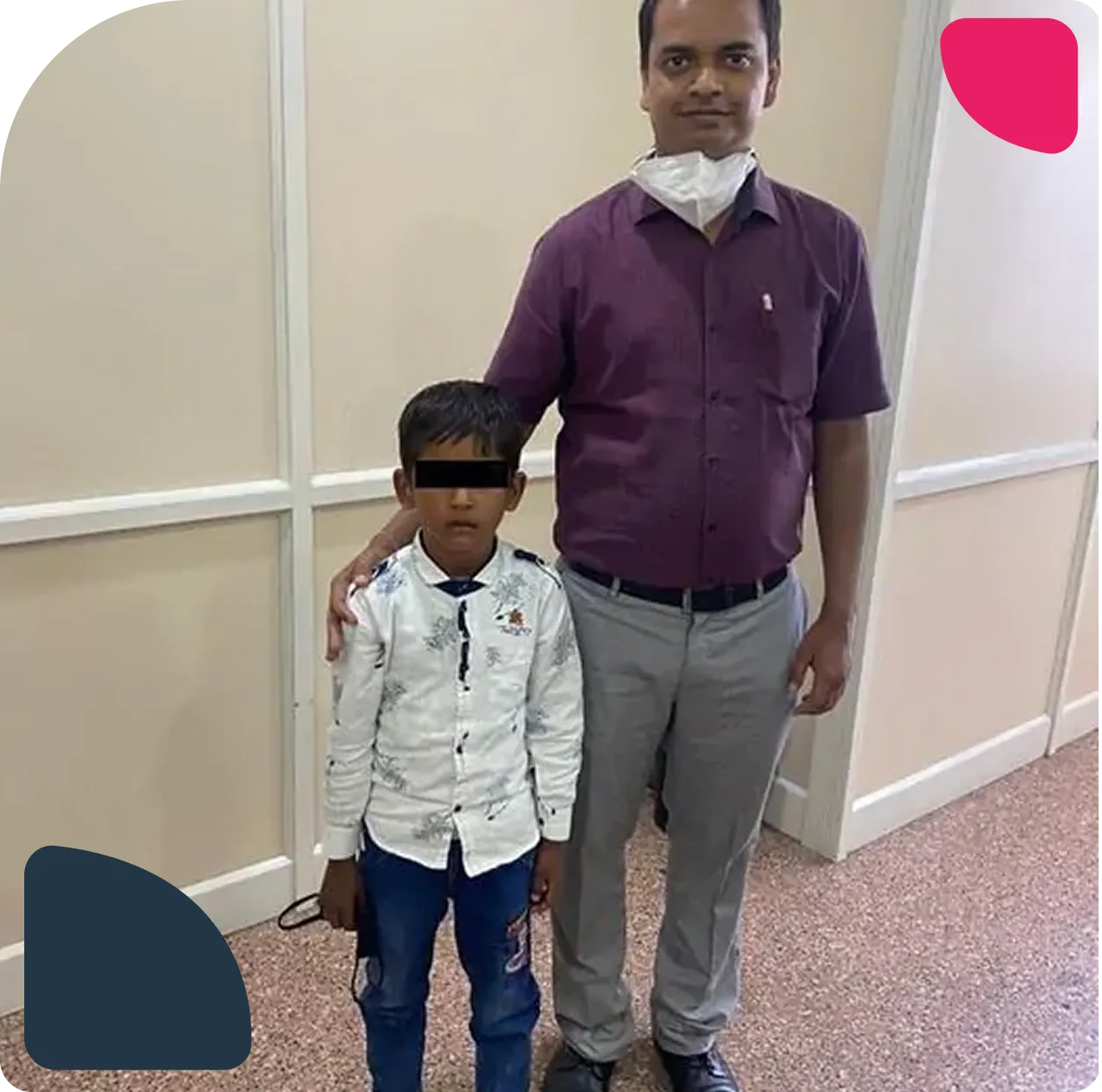
Successful Treatment by Dr. Tara Chand Gupta – Oncologist in Jaipur
This is among the happiest moments of an oncologist when you are celebrating
the birthday of your patient ( because at the time of diagnosis patient and his family members
come without any hope and in mental distress)
Cancer is the deadliest but we are committed to giving out 100% to get the best results that are
up to the international mark. Because of the patient’s faith, blessings of God, parents, and
teachers, and support of our staff we are achieving our goals.
- Age: 6 years
- Disease: Hodgkin Lymphoma
- Treated: for 6 months
- Stage: III
- Result: Complete Remission
Testimonial
What Our Patients Say on Google
Ayush Bhardwaj
Dr.Tara Chand Gupta is one of the finest oncologist of Jaipur. He currently runs this clinic to give high quality service
Deepak Sharma
Dr. Tara is the best oncologist in Jaipur. He treats my friend and help him in defeating this deadly disease….
Divya goyal
Dr. Tara Chand Gupta is one of the finest oncologist doctor in Jaipur and you treat very well…..

FAQs
Frequently Asked Questions
Dr. Tara Chand Gupta is frequently highlighted in major
In the early stages, kidney cancer often doesn’t show any clear signs. Some people, on the other hand, may see blood in their urine, have pain that doesn’t go away in their side or lower back, or feel very tired. Sometimes, there may be a lump near the kidney area or weight loss that can’t be explained. If any of these symptoms don’t go away, you should see a doctor.
How early the disease is found is the most important factor in the survival rate for kidney cancer. When the cancer is found while it is still only in the kidney, treatment usually works better. At this point, many patients respond well to treatment. Many patients respond well to treatment at this stage. If the cancer has spread to other organs, treatment focuses on controlling the disease and managing symptoms.
If kidney cancer is found early, it can often be treated successfully. Doctors can treat or remove the tumor before it spreads to other parts of the body if they find it early. The size, stage, and overall health of the tumor will determine what kind of treatment is best. Regular medical checkups can help treatment work better.
Kidney cancer happens when cells in the kidney change their DNA and start to grow abnormally. It’s not always clear what causes it, but some things may make it more likely to happen. The disease is often linked to smoking, being overweight, having high blood pressure, being older, and having a family history of it. Some genetic conditions may also increase the risk.
The growth rate of kidney cancer can vary from person to person. Some tumors grow slowly over time, but others can grow faster depending on the type and stage of cancer. Imaging tests often find kidney tumors by accident. Regular checkups help doctors keep an eye on tumor growth and come up with the best treatment plan.
When kidney cancer spreads, it usually does so through the blood or lymphatic system. One of the most common places for kidney cancer to spread first is the lungs. It can also move to nearby organs like the liver, bones, or lymph nodes. Getting diagnosed and treated early can help lower the chances of cancer spreading to other parts of the body.
People with kidney cancer are often told to cut back on foods that are highly processed, have a lot of salt, or are high in unhealthy fats. These kinds of foods could affect your health and how well your kidneys work. Most doctors say that a healthy diet should include whole grains, fresh fruits and vegetables, and enough water. Nutritional advice may vary depending on the patient’s treatment plan.