




Dr. Tara Chand Gupta
M.D., D.M. Medical Oncology | Bhagwan Mahaveer Hospital & Research Center Expert in Chemotherapy, Targeted Therapy, and Immunotherapy
Colon cancer treatment in Jaipur
If you have blood in your stool, consistent changes in your bowel habits, stomach pain, unexplained weight loss, or fatigue, you should see a doctor right away. Dr. Tara Chand Gupta is a colon cancer doctor in Jaipur with a lot of experience. He uses evidence-based evaluation and makes personalized treatment plans. Schedule an appointment today.


Overview
Comprehensive Overview of Colon Cancer Treatment in Jaipur
Colon cancer starts when abnormal cells grow in the inner lining of the colon, which is the large intestine. In many cases, it starts as small growths called polyps that can slowly turn into cancer over time. It’s important to find out about a disease early so that the right treatment can be planned. Dr. Tara Chand Gupta offers colon cancer treatment in Jaipur, with the ultimate goal of carefully evaluating and managing based on each patient’s medical needs.
- Colon cancer is diagnosed through medical examination, colonoscopy, biopsy, and laboratory tests.
- Imaging tests like CT scans and MRIs help figure out how far cancer has spread and what stage it is in.
- Treatment planning depends on the stage of the cancer and the patient’s overall health
When consult
When should you consult a colon cancer treatment doctor in Jaipur?
If you have digestive problems that last a long time or keep coming back for no clear reason, you should see a doctor. Getting medical advice early helps find the cause of the symptoms and lets you get checked out on time. Dr. Tara Chand Gupta carefully checks patients and focuses on their needs when providing colon cancer treatment in Jaipur. This makes sure that patients get the right diagnosis and care at the right time. You should see a doctor if


Changes in bowel habits that last for several days, like diarrhea or constipation.

There is blood in the stool or bleeding from the rectum without any reason

Ongoing abdominal pain, cramps, or bloating does not improve with time.

Unexplained weight loss or constant tiredness that develops without any clear cause.
Philosophy
Guiding Principles Behind Colon Cancer Treatment
Treatment of colon cancer depends on careful medical judgment and a clear understanding of the condition specific to each patient. Each patient’s case is unique, so the treatment would need to be decided responsibly with adequate assessment and supervision. Likewise, Dr. Tara Chand Gupta, a cancer specialist in Jaipur, believes that honest communication, thoughtful decisions, and consistent care are important during the treatment process. The principles he follows during colon treatment include:
- Detailed knowledge of the patient’s medical status.
- Treatment is planned after the available evaluation and discussion.
- Treat the cancer, but preserve overall health.
- Clear guidance and steady support during treatment.


Experience
About doctor
Meet Dr. Tarachand Gupta
M.D., D.M. – Medical Oncology
Specialist in Chemotherapy, Targeted Therapy, and Immunotherapy in Jaipur
Dr. Tara Chand Gupta is a medical oncologist in Jaipur who has been treating cancer patients for more than 12 years. He got his MBBS from SMS Medical College in Jaipur and his MD in General Medicine from SN Medical College in Agra. After that, he trained in medical oncology. He has treated people with breast, lung, kidney, gallbladder, bone, oral, and prostate cancers, as well as many other cancers, over the years using chemotherapy, targeted therapy, and immunotherapy. His focus is on selecting treatments that are effective while minimizing side effects, ensuring that patients across Rajasthan receive balanced, carefully monitored cancer care.
 More About Doctor

Advanced Therapies

Advanced Therapies

Advanced Therapies
Why choose
Why do patients trust Dr. Tara Chand Gupta for Colon cancer treatment in Jaipur?
Dr. Tara Chand Gupta, a trusted colon cancer specialist in Jaipur, provides clear advice and carefully plans treatment after understanding each patient’s condition, ensuring responsible and personalized care.
- Plans treatment only after carefully looking over reports and symptoms.
- Clearly explains the condition and the steps to treat it.
- Puts equal importance on medical care and the patient's comfort.
- Provides regular follow-up to monitor recovery and health.
What is colon cancer?
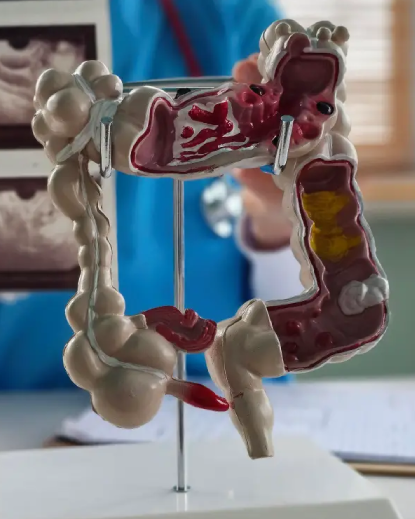
Colon cancer is a disease that makes cells grow in the colon, which is the longest part of the large intestine. The large intestine is the last part of the digestive system that helps get rid of waste. Polyps, which are small growths, often appear on the inside of the colon before colon cancer starts. Most of the time, these polyps don’t hurt anyone, but some of them can slowly turn into cancer. In the early stages, polyps often don’t cause any symptoms, so many people may not know they have them. Because of this, doctors suggest that people get regular screening tests to find and remove polyps as soon as possible. Finding colon cancer early and treating it correctly can help keep it under control and improve outcomes.

Types of colon cancer
Colon cancer can develop in different forms depending on the type of cells where the cancer begins. Understanding the types helps doctors decide the most suitable treatment approach. Types of colon Cancer are:
- Adenocarcinoma: The most common type. It begins in mucus-producing gland cells lining the colon and rectum and accounts for most colon cancer cases.
- Carcinoid Tumors: These start in hormone-producing neuroendocrine cells in the intestines. They usually grow slowly compared to other types of cancer.
- Gastrointestinal Stromal Tumors (GISTs): A rare cancer that develops in special nerve cells located in the wall of the digestive tract.
- Lymphoma: This cancer begins in immune system cells called lymphocytes and may sometimes develop in the colon or digestive tract.
- Sarcoma: A very rare type that starts in the connective tissues, muscles, or blood vessels present in the colon wall.
Proper diagnosis helps doctors choose the right treatment. Patients can consider expert care and advanced options for colon cancer treatment in Jaipur.
Symptoms of colon cancer
A colon cancer specialist Jaipur often says that colon cancer grows slowly and that symptoms may not show up right away. At first, a lot of people don’t see any signs of trouble. Some symptoms may start to show up as the disease gets worse. Recognizing these symptoms early can help with quick diagnosis and treatment. Some common signs of colon cancer are:
- Changes in bowel habits: Ongoing diarrhoea, constipation, or changes in the consistency of the stool.
- Blood in the stool: If the blood is bright red or dark, it could mean that the colon is bleeding.
- Discomfort in the stomach: Pain, cramps, gas, or bloating that won’t go away.
- Feeling of incomplete bowel movement: A sensation that the bowel does not empty.
- Unexplained weight loss: Losing weight for no clear reason.
- Fatigue or weakness: Feeling tired or weak even after getting enough sleep.
Signs of colon cancer in women
- Unusual tiredness or weakness that lasts for a long time
- Unexplained weight loss
- Pain or discomfort in the stomach
- Changes in bowel habits, such as constipation or diarrhoea.
If these symptoms continue for a long time or appear frequently, it is important to consult a doctor for proper evaluation. Seeking timely care can help patients receive the best colon cancer treatment in Jaipur and appropriate medical guidance.
Causes of colon cancer
The exact cause of colon cancer is not always known, but several factors may increase the risk of developing this disease. These causes are frequently associated with genetic alterations in colon cells, lifestyle habits, medical conditions, and other health-related factors. Common causes are:
- Genetic changes: Alterations within the DNA of colon cells can cause them to grow in an uncontrolled manner, forming abnormal cells.
- Family history: Individuals with a close relative who had colon cancer or colon polyps may be at increased risk for the disease.
- Inherited conditions: Certain genetic disorders, such as Lynch syndrome and familial adenomatous polyposis (FAP), can put you at increased risk.
- Age: Your risk of getting colon cancer increases as you get older, most importantly after age 50.
- Multiple colon polyps: More than one polyp in the colon raises the chance that at least one of those polyps may develop into cancer.
- Unhealthy diet: A red or processed meat-rich diet with little fiber may increase the risk.
- Low levels of vitamin D: Some studies have also shown a link between low levels of vitamin D, which can increase the risk of colon cancer.
- Physical inactivity: Those who do not get regular exercise may be at higher risk.
- Obesity: Carrying excess weight can raise inflammation in the body and play a role in cancer development.
- Inflammatory bowel disease: Conditions such as Crohn’s disease and ulcerative colitis can raise the risk.
- Diabetes: Those with diabetes seem to have an increased risk of developing the disease.
- Previous radiation therapy: Radiation treatment to the abdomen or pelvis in the past can increase the chances of colon cancer later.
- Gallbladder removal: Some research indicates a slightly raised risk among people who have had their gallbladders removed.
- Gender: Males have a somewhat higher overall risk of colon cancer than females.
Hence, being aware of its root causes could help individuals make themselves alert to the risk, but approach a colon cancer treatment doctor in Jaipur for timely medical assistance.
Staging of colon cancer
Colon cancer is usually divided into stages to describe how far the cancer has grown and whether it has spread to nearby tissues or other parts of the body. The stages of colon cancer are:
- Stage 0: This is the first stage when abnormal cells are only found in the colon’s inner lining and have not spread deeper.
- Stage I: Cancer has spread to the inner layers of the colon wall, but it has not spread to nearby lymph nodes or other organs.
- Stage II: The cancer has grown deeper into the colon wall and may have spread to nearby tissues, but it has not affected the lymph nodes.
- Stage III: Cancer has spread to lymph nodes close by, but not to distant organs.
- Stage IV: This is the advanced stage when cancer spreads to other parts of the body, like the lungs, liver, or ovaries.
Knowing what stage of colon cancer a person has helps doctors choose the best treatment plan and direct them to the right care. If the disease is found at an advanced stage, patients may need specialized care like what is offered at Advanced Colon Cancer Treatment in Jaipur, where they can get full cancer management and expert supervision.
Diagnosis of colon cancer
Early detection plays an important role in treating colon cancer effectively. Doctors usually suggest that people over 45 get screened regularly, especially if they are at a higher risk. That is why it is important to get checked out at a colon cancer treatment hospital in Jaipur, where experts use a variety of tests and exams to make sure they get the right diagnosis for colon cancer.
- Medical history and physical examination: The doctor assesses symptoms, family history, and general health before advising additional tests.
- Imaging tests: CT scan, MRI, and X-rays are some imaging tests that allow doctors to have a closer look at the colon as well as nearby organs.
- Blood Tests: These may include complete blood count (CBC), liver function tests (LFTs), and tumor markers like CEA to identify possible signs of cancer.
- Stool tests: These tests look for hidden blood or abnormal DNA in stool. Such tests include guaiac faecal occult blood test (gFOBT), faecal immunochemical test (FIT), and stool DNA testing.
- Colonoscopy: The inside of the colon has very thin tubes with cameras from which polyps or abnormal growths can be detected.
- Sigmoidoscopy: This test allows doctors to examine the lower part of the colon.
- Virtual colonoscopy: A CT-based scan that produces detailed images of the colon.
- Biopsy: If an abnormal growth is detected, a small tissue sample is taken from the growth and checked under a microscope to confirm cancer.
- Double-contrast barium enema (DCBE): An X-ray examination that can reveal structural changes or abnormalities in the colon.
The earlier the screening and correct diagnosis are made, the sooner doctors can begin appropriate cancer treatment in Jaipur, and this gives patients a far better chance.
Colon cancer treatment options
Colon cancer treatment varies depending on the stage, tumor location, and the patient’s overall health. Hence, Patients should not delay when it comes to their health. Many patients prefer seeking colon cancer treatment in Jaipur, where doctors evaluate the condition carefully and suggest the most suitable treatment plan. Common Treatment Options are:
- Surgery: Surgery is the main treatment for colon cancer. The doctor removes the cancerous part of the colon along with nearby lymph nodes
- Colectomy: During this surgery, the affected portion of the colon is removed, and with that, the healthy parts of the colon are reattached.
- Chemotherapy: Chemotherapy destroys cancer cells with anti-cancer medicines. It can be administered after surgery to lower the risk of cancer reoccurring or when the cancer has spread.
- Radiation therapy: In this type of cancer treatment, high-energy radiation is employed to shrink tumors or eliminate irreparable cancer cells.
- Targeted therapy: This treatment works on specific proteins in cancer cells and helps stop their growth.
- Immunotherapy: It enables the body’s own immune system to more effectively recognize and attack cancer cells.
The treatment plan is usually decided after proper diagnosis so that patients receive the most effective care for their condition.
Colon Cancer Treatment in Jaipur by Dr. Tara Chand Gupta
Dr. Tara Chand Gupta is a highly trained colon cancer treatment doctor in Jaipur who offers complete care to patients. He offers effective colon cancer treatment that is tailored to the patient’s condition and stage of the disease, using advanced medical therapies and careful treatment planning:
- Chemotherapy: With this therapy, anti-cancer medicine that travels through the bloodstream to kill cancer cells slows the growth of tumors and lowers the risk of the disease spreading to other organs.
- Targeted therapy: It is a type of treatment that focuses on specific proteins or genetic changes that make cancer cells grow. This treatment helps slow the growth of cancer by blocking these signals and hurting healthy cells less.
- Immunotherapy: For some patients, immunotherapy works by making the body’s immune system stronger so that it can better find and kill cancer cells.
After carefully looking at the stage of cancer and the patient’s overall health, the treatment plan is made. In more serious cases, Dr. Tara Chand Gupta also gives medical advice and care for Colon Cancer Stage 4 Treatment to help the patient deal with the disease and improve their quality of life.
Contact Us
Reach Out for Expert Cancer Care


Patient Recovery
Successful Treatment by Dr. Tara Chand Gupta – Oncologist in Jaipur
This is among the happiest moments of an oncologist when you are celebrating
the birthday of your patient ( because at the time of diagnosis patient and his family members
come without any hope and in mental distress)
Cancer is the deadliest but we are committed to giving out 100% to get the best results that are
up to the international mark. Because of the patient’s faith, blessings of God, parents, and
teachers, and support of our staff we are achieving our goals.
- Age: 6 years
- Disease: Hodgkin Lymphoma
- Treated: for 6 months
- Stage: III
- Result: Complete Remission

Testimonial
What Our Patients Say on Google
Ayush Bhardwaj
Dr.Tara Chand Gupta is one of the finest oncologist of Jaipur. He currently runs this clinic to give high quality service
Deepak Sharma
Dr. Tara is the best oncologist in Jaipur. He treats my friend and help him in defeating this deadly disease….
Divya goyal
Dr. Tara Chand Gupta is one of the finest oncologist doctor in Jaipur and you treat very well…..

FAQs
Frequently Asked Questions
Dr. Tara Chand Gupta is frequently highlighted in major
Survival depends on several factors, such as the stage of cancer, the patient’s general health, and how well the treatment works. Finding something early usually leads to better treatment results. Following the treatment plan, attending regular follow-ups, and maintaining overall health are all important parts of care.
Blood in the stool, constant changes in bowel habits, stomach pain, unexplained weight loss, tiredness, or a feeling that the bowel doesn’t empty are all common symptoms. However, many people do not notice symptoms in the early stages.
For people at average risk, many health guidelines recommend that screening begin around age 45. People who have a family history of colon cancer, colon polyps, or certain genetic conditions may need to be screened sooner than usual.
There is a wide range in life expectancy. The stage of the cancer when it is found and how well it responds to treatment are the most important factors. Colon cancer that is caught early often has better long-term outcomes. On the other hand, advanced stages may need ongoing treatment to keep the disease under control. That is why it is important to take colon cancer treatment in Jaipur for a healthy life.
Colon cancer is divided into stages from Stage 0 to Stage 4, depending on how far the cancer has grown or spread. In the early stages, only the lining of the colon is affected. In later stages, the cancer may spread to nearby lymph nodes or other organs.
Stage 4 Treatment is required when the cancer has spread to other organs, such as the liver or lungs. At this point, the main goals of treatment are to control the disease, slow its growth, and help patients deal with their symptoms and live a better life.
Screening and diagnostic tests are the most common ways for doctors to look for colon cancer. These tests include colonoscopy, stool tests that look for hidden blood, imaging scans like CT scans, and a biopsy if abnormal tissue is found. Doctors often use colonoscopy because it lets them see the colon directly and take out polyps.
Some cases of colon cancer are linked to family history or inherited genetic conditions such as Lynch syndrome or familial adenomatous polyposis. People with a family history may need earlier or more frequent screening.
You can’t always prevent colon cancer, but regular screenings can help find and remove polyps that aren’t cancerous yet. Keeping a balanced diet, staying active, not smoking, and drinking less alcohol are all healthy habits that may also lower your risk.